Finding your sewer cleanout location before a backup happens can save time, protect your property, and give a plumber a useful access point. A sewer cleanout is a capped opening in the drain line that allows inspection, clearing, and other sewer work. Many homeowners never notice it until wastewater backs up or a professional asks where it is. If you are searching for your sewer cleanout location, start with the practical steps below, then call Premier Plumbers at (941) 921-4846 if the cap is stuck, damaged, buried, or surrounded by sewage.
Call Premier Plumbers for help finding your cleanout
What is a sewer cleanout?
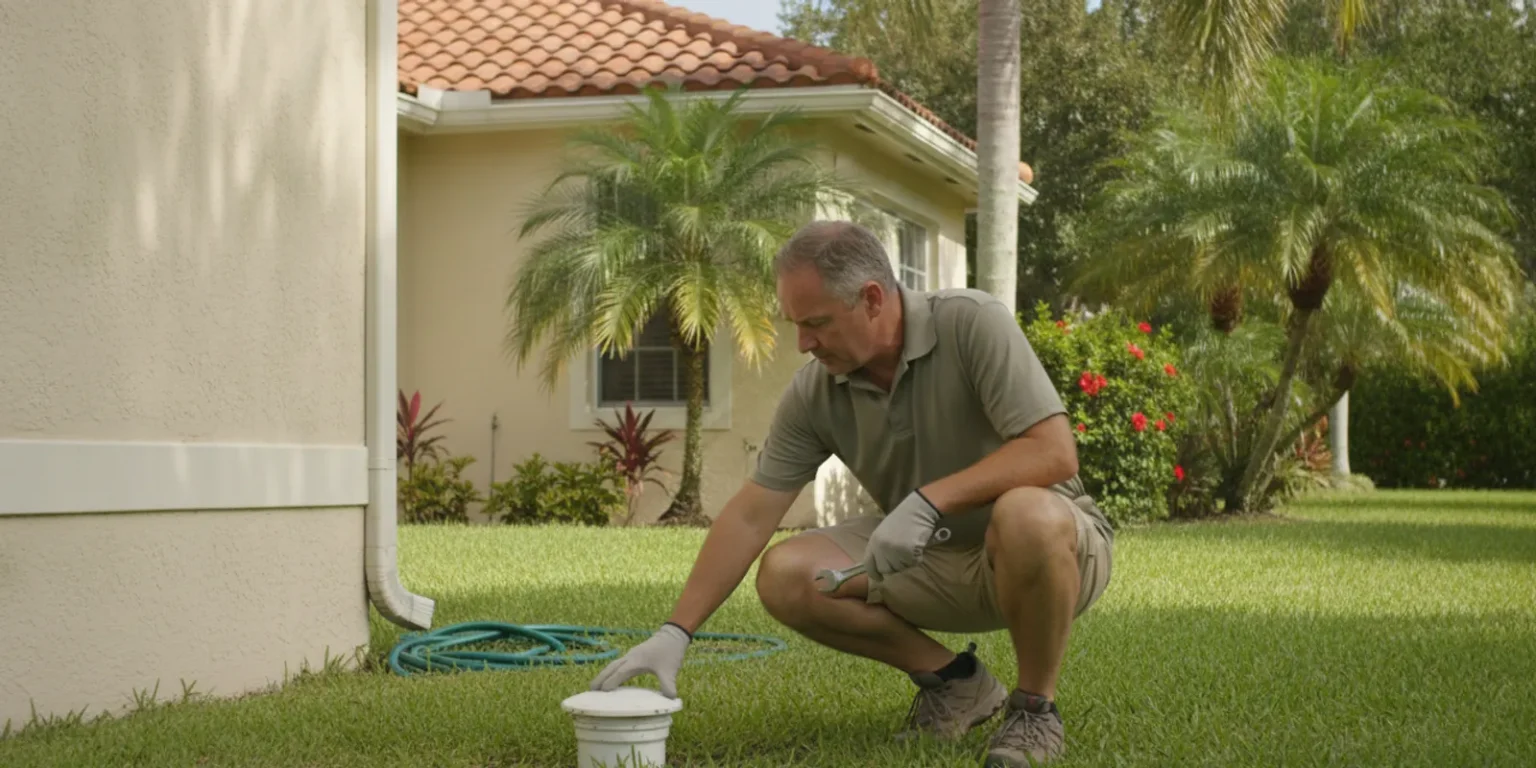
A sewer cleanout is a pipe opening fitted with a removable cap. It connects to a home’s building sewer or a branch of the drainage system. The opening gives a plumber access to the inside of the line without removing a toilet, cutting into a wall, or excavating the entire yard.
Cleanouts may be installed near the house, along the side of a building, in a garage, near a property line, or in another accessible location. The exact arrangement depends on the home’s age, plumbing layout, previous repairs, and the way the building sewer leaves the property. Some homes have one cleanout. Others have more than one, including a two-way cleanout that allows access toward the house and toward the street.
The cap is not a drain that homeowners should use for routine disposal. It is an access point. A plumber may use it to run a drain cable, camera, or other equipment. Access through a cleanout can help distinguish a blockage in the home’s sewer line from a problem farther downstream. It can also provide a more direct route than working through a toilet or sink.
Why should you know your sewer cleanout location?
When several fixtures drain slowly or wastewater appears in a low area, minutes spent searching for the cleanout can delay the right response. Knowing its location helps you do three things:
- Tell a plumber where access may be available.
- Avoid digging, removing landscaping, or opening the wrong plumbing connection.
- Check whether the visible cap is damaged, displaced, or surrounded by water.
- Protect the access point before a landscaping, paving, or remodeling project.
It is also useful for routine planning. A cleanout hidden beneath soil, mulch, concrete, or an addition may need to be exposed or repaired before a future service visit. If your home has older cast-iron plumbing, recurring blockages, or a history of sewer work, documenting access points can make later diagnosis easier. A clogged sewer line can have several possible causes, so access and inspection matter before choosing a repair.
Where are sewer cleanouts usually found?
There is no single universal sewer cleanout location for every home. Use the following areas as starting points, not as a guarantee that a cap will be present there.
Near the exterior wall
Look along the outside wall nearest the bathrooms, laundry area, or main kitchen drain. The cleanout may be a short distance from the foundation, sometimes close to ground level. It can be hidden by shrubs, decorative rock, mulch, or a removable cover. Check around corners as well as straight sections of wall because the drain route may turn before leaving the home.
Along the side of the home
Many homeowners find cleanouts beside the house rather than in the front yard. Walk the side passages and inspect areas where a drain line would reasonably travel toward the street or an on-site sewer connection. Look for a round or square cap that sits slightly above, level with, or just below the surrounding surface.
Near the property line or sidewalk
Some properties have a cleanout closer to the public sewer connection or property line. It may be in a small box, under a metal or plastic cover, or near a sidewalk. Do not remove a municipal utility cover or assume that every marked access point belongs to your home’s sewer line. A utility locate or plumber can help distinguish private plumbing access from other infrastructure.
In a garage, basement, or utility area
Indoor cleanouts may be located where the building sewer exits the home. Check unfinished utility spaces, garages, and areas near a floor drain. An indoor cap can be easier to reach, but it should be opened carefully because wastewater may be under pressure behind it. Keep towels and personal items away from the area while you investigate.
In a landscaped or paved area
A cleanout may be covered by landscaping installed after the plumbing. Pavers, a concrete addition, a deck, or a new garden bed can conceal an older access point. Search old inspection paperwork, photographs, or repair invoices if the location is not obvious. A straight line of decorative plants is not proof of a buried cleanout, but it can identify areas where the ground has been changed.
How can you find a sewer cleanout?
Use a slow, methodical search rather than digging randomly. The goal is to identify a likely access point without damaging the cap or the line.
1. Start where the main drain leaves the house
Imagine the route from the home’s largest concentration of plumbing fixtures to the street or sewer connection. In many homes, the main drain travels from the bathrooms or laundry area toward the front or side of the property. The cleanout may be placed near that route. This is only a guide. Drain layouts can turn, connect to older lines, or run in directions that are not visible from inside the home. Treat the route as a place to look, not proof of where the cleanout must be.
2. Look for a capped pipe or access box
Common cleanout caps are round, usually white, black, green, or metallic, and may have a raised square or hexagonal center. Some are flush with the surface. Others extend several inches above the ground. Older caps may be painted, weathered, cracked, or covered in dirt. You may also see a rectangular access box or a small cover labeled for sewer or drain access. Do not rely only on a label. A cap that looks like a sewer cleanout should still be confirmed by its location and connection to the home’s drainage system.
3. Check records and previous work
Search for a home inspection report, plumbing invoice, remodeling record, or site drawing. A previous plumber may have photographed or described the access point. Ask the prior owner, property manager, or homeowners association whether a cleanout was installed, repaired, or covered during landscaping. If a property has had a whole-home repipe, sewer replacement, addition, or patio project, the current visible layout may differ from the original plan. A record can prevent you from opening an unrelated irrigation, water, or electrical access point.
4. Follow the line without excavating deeply
Look for gentle changes in grade, a narrow area where grass grows differently, or a small patch of disturbed soil. These clues can help, but they are not conclusive. Roots, irrigation, soil movement, and later construction can create similar patterns. If you think the cap is just below the surface, remove loose mulch or soil with a hand tool and work carefully. Stop if you encounter a buried pipe, concrete, roots, or a cap that will not move. Digging aggressively can crack the fitting or put pressure on the sewer line. Never use a powered digging tool to search for an uncertain access point.
5. Ask a plumber to trace or verify it
When the cleanout cannot be found, a plumber can review the drainage layout and use appropriate diagnostic methods. This is especially helpful when multiple access points exist, the property has been remodeled, or the line is buried under a driveway or addition. Professional verification is safer than guessing during an active backup.
What does a sewer cleanout look like?
Cleanouts vary, but several features are common:
- A capped pipe between roughly a few inches and several inches wide.
- A raised square, hexagonal, or slotted section designed for a tool.
- A round plastic, metal, or concrete cover.
- A pipe that appears to enter the ground at a slight angle.
- An access point close to the foundation, property line, driveway, or sewer route.
Do not assume every white or green cap is a sewer cleanout. Irrigation valves, water meter boxes, electrical conduit, septic components, and other utilities can look similar. Never pry open an unknown utility cover or use a wrench on a cap unless you are confident about what it serves.
How can you tell a cleanout from another utility?
Identification requires context, not just color or shape. An irrigation box is often a shallow rectangular enclosure with a removable lid and valves inside. A water meter box may sit closer to the street and have a small meter or utility marking. Electrical access can include conduit, warning labels, or a service box. A sewer cleanout is more likely to be a capped pipe aligned with the home’s drainage route, but appearances vary.
Compare the suspected cap with your records and note its distance from the foundation, fixtures, sidewalk, and property line. Take a photograph without opening it. If you are unsure, tell the plumber what you observed rather than describing it as confirmed. This distinction matters during a backup because opening the wrong utility access can create a separate hazard or damage a system that is not designed for sewer tools.
Can you open a sewer cleanout yourself?
Sometimes a homeowner can inspect a cleanout cap, but opening one is not risk-free. A blockage may leave wastewater under pressure inside the pipe. When the cap is loosened, sewage can escape quickly. The cap may also be seized by corrosion, overtightening, dirt, roots, or years of exposure.
If you decide to inspect it, wear waterproof gloves, eye protection, long sleeves, and shoes that can be disinfected. Keep children and pets away. Place absorbent material or a container nearby, but do not stand directly over the cap. Loosen it slowly and stop immediately if you hear pressure, see liquid rising, or notice sewage.
Never force a stuck cap with excessive leverage. A broken cap or fitting can turn a simple access issue into an open excavation and sanitation problem. If the cap is cracked, missing, buried, or leaking, have a professional assess it. Do not substitute a board, bucket, plastic sheet, or other temporary object as a permanent cover.
What should you do if wastewater is backing up?
First, stop using water in the home. Do not run the washing machine, dishwasher, showers, or faucets while you investigate. If water is rising from a floor drain, toilet, or low fixture, keep people and pets away from the affected area.
Do not pour chemical drain cleaner into a backed-up sewer line. It may not reach the blockage, and it can remain in standing water or the pipe. That creates a hazard for anyone who later opens the line or works on the fixture.
Check whether the problem affects one fixture or several. A single slow sink may involve a local branch drain. Multiple fixtures draining slowly, gurgling toilets, foul odors, or wastewater at a floor drain can point to a larger drain or sewer issue. These signs do not identify the exact cause, but they are reasons to stop using water and arrange an assessment.
If sewage has entered the home, avoid direct contact and protect porous materials where possible. Cleaning and disinfection may require additional guidance after the plumbing problem is controlled. A professional can advise whether the cleanout is a suitable access point and whether video sewer inspection is appropriate.
What problems can occur at the cleanout itself?
A buried cleanout
Soil, mulch, roots, or landscaping may cover the cap. Burying the access point makes future service harder and increases the chance of damaging it during gardening. Expose it carefully rather than digging with a powered tool.
A broken or missing cap
A missing cap can allow dirt, rainwater, insects, or other debris into the line. A cracked cap may leak odors or wastewater. The correct replacement depends on the pipe and fitting, so do not use an improvised cover or seal it permanently with material that prevents access.
A stuck cap
Age and corrosion can make a cap difficult to remove. Applying force without knowing the fitting’s condition may break the cleanout or the pipe below it. A plumber has tools and repair options suited to the material and access conditions.
A leaking cleanout
Liquid around the cap can result from a loose seal, a damaged fitting, or a backed-up line. Treat sewage-colored or foul-smelling liquid as contaminated. Keep the area clear and arrange professional help.
A cleanout under a structure
Decks, patios, driveways, additions, and other construction may cover an access point. Do not remove structural material or break concrete simply to search. A professional can help determine whether another cleanout is available or whether an access repair is needed.
How should you document the cleanout after finding it?
Once you locate the cap, make the information useful for someone who may need it later. Take a photograph from the street, from the home, and from a nearby fixed feature. Record measurements from the foundation corner, gate, driveway edge, or other landmarks that will not move with landscaping. Save the photographs with the property records instead of relying on memory.
Marking the location does not mean painting the cap permanently or driving a stake into the ground above the pipe. Use a removable marker or a simple diagram if appropriate. Tell household members, property managers, landscapers, and contractors that the access point must remain reachable. If work is planned near the suspected line, ask for the plumbing route to be considered before digging or pouring concrete.
When should a plumber inspect the sewer line?
Call for professional help when the issue involves multiple fixtures, recurring backups, sewage, a buried or broken cap, or a cleanout that cannot be safely opened. You should also consider an inspection when a property has older cast-iron plumbing, unexplained drain problems, or a history of sewer repairs.
A camera inspection can show whether the line has buildup, roots, cracks, offsets, or another condition. It can also help determine whether a blockage is local or whether the line needs broader evaluation. The inspection findings should guide the next step instead of assuming that every sewer problem needs the same treatment.
For example, hydro jetting may be considered for certain types of buildup, but it is not interchangeable with pipe lining or replacement. Pipe lining is generally considered only when camera inspection shows that the pipe is structurally suitable. If the pipe has severe damage or is not a candidate for lining, replacement may be the more appropriate discussion. You can learn more about the decision process in this guide to pipe lining.
How is a sewer cleanout used during service?
After confirming the correct access point, a plumber may remove the cap and evaluate the condition of the opening. Depending on the problem, the cleanout can provide a route for drain-clearing equipment or a camera. The plumber may also compare conditions on the house side and the street side of a two-way cleanout.
Access does not automatically prove where the blockage is or what caused it. A line can have more than one problem, and a camera may show conditions that are not visible from the cap. The service plan should account for the pipe material, the location of the obstruction, the condition of the line, and the home’s drainage symptoms.
For larger work, ask what was found, which section was evaluated, and why a proposed repair fits the observed condition. A clear explanation can help you compare cleaning, inspection, repair, lining, or replacement without treating them as identical services.
How can Southwest Florida homeowners protect cleanout access?
Once you find the sewer cleanout location, make it easy to find again. Take a photo from several angles and record its distance from fixed features such as the corner of the home, a gate, or a wall. Keep the cap visible and avoid placing permanent structures over it.
- Trim plants so roots and dense growth do not hide the cap.
- Use removable mulch rather than permanently covering the access point.
- Tell landscapers and contractors where the sewer access is before work begins.
- Keep heavy equipment, stored materials, and vehicles away from a shallow cleanout.
- Replace a damaged cap with the correct fitting instead of a temporary object.
- Keep records of sewer inspections, cleaning, repairs, and changes to the yard.
Florida’s Gulf Coast properties may have dense landscaping, changing soil, older homes, additions, and weather that make outdoor plumbing access easy to overlook. Routine observation does not replace a professional inspection, but it can help you spot a change before a serious backup. If you are planning a patio, driveway, pool area, or garden bed, identify the cleanout before the project starts.
What should you ask before sewer work begins?
Good questions make the service visit more useful. Ask the plumber to identify the access point being used and explain whether the observed issue is in the branch drain, building sewer, or another section. Ask whether a camera inspection is recommended and what it can confirm.
If a repair is proposed, ask what condition makes that option appropriate, whether another access point is needed, and whether the work affects landscaping, concrete, or other property features. Request a written estimate for the specific work discussed. Job prices are quoted per job rather than taken from a universal fixed menu, and the final scope depends on the findings.
It is also reasonable to ask how the opening will be protected when work is complete. Confirm that the cap will be replaced correctly, that the area will be left safe, and that you will know where the access point is for future service. If excavation is discussed, ask which portion of the line requires access and whether less disruptive access is available.
If you are outside a commonly served area, call to confirm the address before scheduling. Premier Plumbers serves communities across Sarasota, Manatee, Charlotte, Lee, Collier, and Hillsborough counties, from Tampa to Marco Island, but a named community does not guarantee a staffed office there. Edge-of-area addresses should be confirmed.
Frequently asked questions about sewer cleanout locations
Is the sewer cleanout always in the front yard?
No. It may be near the side or rear of the home, close to the foundation, inside a garage or utility area, near the property line, or under landscaping. The route of the main drain and the home’s construction history are better clues than the front yard assumption.
Can I use a sewer cleanout to drain water from my yard?
No. A cleanout is an access point for the home’s sewer line, not a general drainage inlet. Adding stormwater or other flows can create plumbing and environmental problems. Keep the cap closed and use a drainage solution designed for the property.
Why does water come out when I remove the cleanout cap?
Water may be present because the sewer line is full or blocked, or because wastewater is moving through the line. Pressurized or foul-smelling water can be contaminated. Stop opening the cap, keep people away, and call a plumber rather than attempting to clear a line under pressure.
What if I cannot find any cleanout?
Older homes, remodeled properties, landscaping, paving, and additions can make access difficult to see. Check records and likely exterior and utility areas without deep excavation. A plumber can help trace or verify the sewer route and determine whether an access point is buried, damaged, or absent.
Does a cleanout mean my sewer line is in good condition?
No. A cleanout improves access, but it does not reveal the condition of the entire line by itself. Recurring backups, roots, cracks, offsets, corrosion, and other concerns may require inspection. The appropriate next step depends on symptoms and what an evaluation finds.
Schedule a sewer cleanout and drain assessment
Finding your sewer cleanout location is a useful first step, but safe access and an accurate diagnosis matter more than forcing a hidden cap. If you have a backup, recurring sewer symptoms, or uncertainty about the line, call Premier Plumbers at (941) 921-4846 for guidance.