A Florida getaway should feel ready when you arrive, not like a checklist of plumbing surprises. A little plumbing maintenance for vacation home owners can help you notice leaks, slow drains, or water-heater issues before they disrupt a visit. The best routine depends on how long the home sits empty, what systems it has, and whether someone can check it between stays.
Call to schedule plumbing service
Why does an unoccupied home need a plumbing routine?
When a home is occupied, a dripping faucet or a drain that empties slowly is hard to miss. In a vacation property, a small issue can continue unnoticed for days or weeks. Water can escape from a supply connection, fixture, water heater, or appliance hose while nobody is there to see it. A rarely used drain can also develop unpleasant odors, and a water heater may behave differently after a long idle period.
Florida conditions add practical considerations. Heat and humidity make it worthwhile to look for dampness, musty smells, and visible water staining when you return. Homes in the Gulf Coast region may be occupied seasonally or between short visits, so a repeatable check is more useful than relying on memory. This is not a substitute for inspecting or repairing a known problem; it is a way to catch changes and arrange appropriate help.
Start with a simple record of the home’s plumbing: where the main water shutoff is, which fixtures have local shutoff valves, the water-heater type and location, and the contact information for a trusted person who can check the property. If you do not know how a valve works, ask a qualified plumber to identify it rather than forcing it.
What should you do before leaving the home?
Use the last day of a visit to scan the plumbing while the house is still in use. Run water at each sink and shower, flush toilets, and check that fixtures drain and operate normally. Look beneath sinks and around toilets for moisture, swelling, or staining. A quick baseline makes it easier to recognize a change on the next visit.
Check visible fixtures and connections
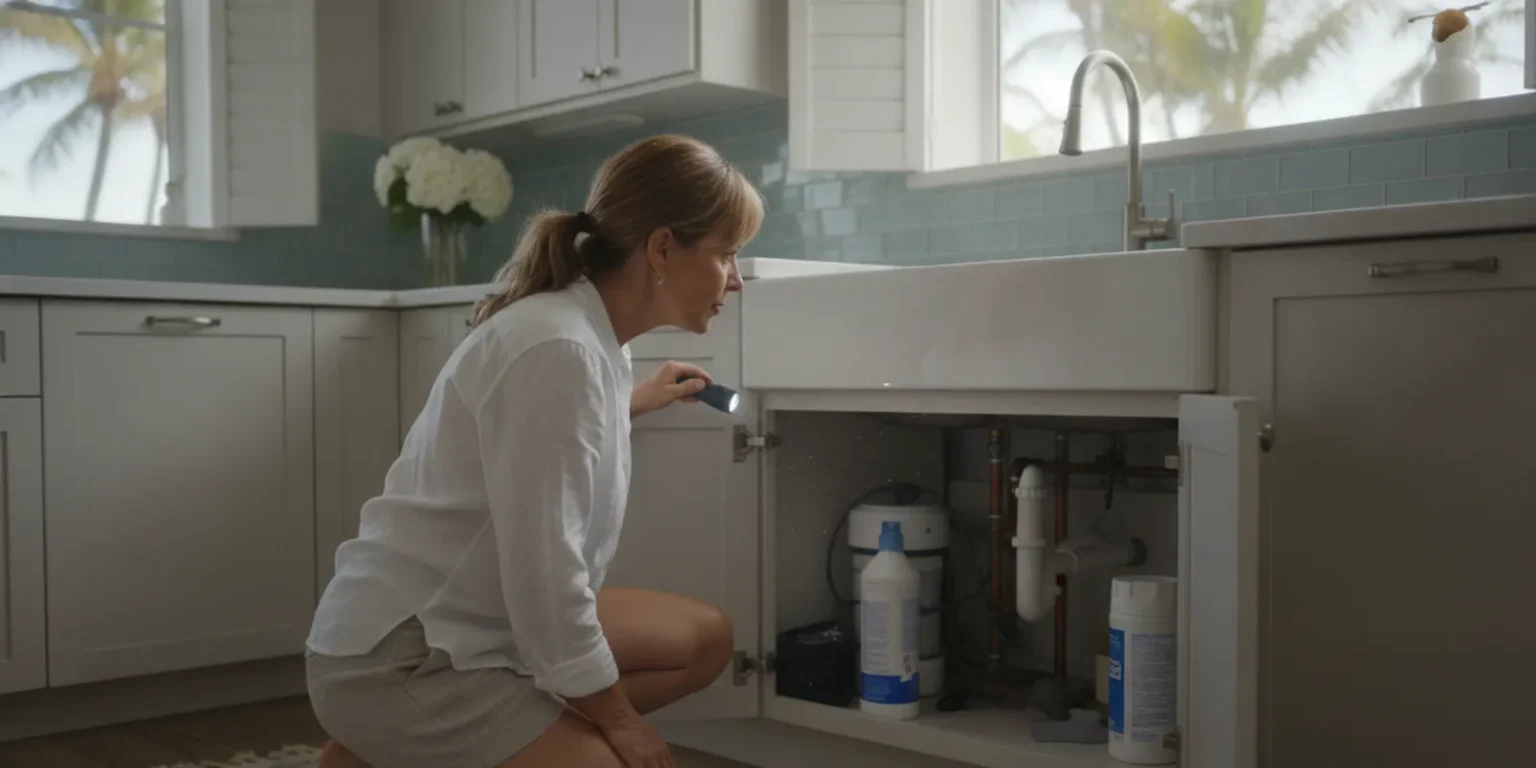
- Look under kitchen and bathroom sinks for damp cabinet floors, water marks, or corrosion at visible connections.
- Check around toilet bases and supply connections. A toilet that rocks, leaks, or refills unexpectedly needs attention.
- Run each faucet briefly, including fixtures that are not used often. Note a persistent drip, weak flow, or unusual sound.
- Inspect shower and tub areas for standing water, loose trim, or signs that water is escaping beyond the fixture.
- Look at exposed pipes in utility spaces for new moisture, visible damage, or unusual changes.
Do not dismiss a small leak because it seems manageable. A container beneath a drip may keep a cabinet dry for a short time, but it does not correct the cause. If water is actively escaping, use an accessible fixture shutoff only if you can operate it safely, and arrange professional assessment.
Test drains and toilets
Run water in seldom-used sinks, tubs, and showers. Watch how quickly each fixture clears. A single slow drain may be a local blockage; several fixtures draining slowly or making unusual sounds can signal a wider drain or sewer concern. Avoid repeatedly pouring chemical drain products into a fixture, especially when the cause is unknown. If a clog returns, professional drain cleaning or diagnosis may be more appropriate than repeated temporary treatment.
Flush each toilet and observe whether it refills normally and stops. A toilet that continues running can waste water, while a bowl that drains poorly or bubbles may warrant investigation. Never assume that a recurring backup is solved because it clears once. Keep a note of what happens, which fixtures are affected, and whether the issue returns.
Look at appliances and the water heater
If the home has a clothes washer, dishwasher, refrigerator water connection, or other water-using appliance, check the visible supply hoses and nearby floor for dampness. Follow the appliance manufacturer’s instructions for periods of nonuse. Do not disconnect or alter a line unless you understand the appliance and can safely restore it.
Look around the water heater for water, rust-colored marks, or other visible changes. Do not open panels, adjust unfamiliar controls, or attempt repairs. Make a note of the heater’s type and any warning lights or noises. For more background on routine care, see why water-heater maintenance matters for Sarasota homes.
Should you shut off the water when you leave?
There is no single rule that fits every vacation home. Whether to turn off the main supply depends on the home’s plumbing, appliances, irrigation or other water needs, the length of absence, and the owner’s instructions for those systems. A shutoff can reduce the amount of water available to a leak, but switching it off without understanding connected equipment can create other problems.
Before making a routine, identify the main shutoff and ask a qualified plumber what it controls. Confirm whether any equipment needs a continuing water supply. If the property has a water-treatment system, an ice maker, an irrigation connection, or other special equipment, account for it rather than relying on a generic checklist. Labeling a known valve and keeping clear instructions can help a property manager or house sitter act consistently.
If you choose to shut off water for an absence, do so only as instructed for your particular home. Do not force a stiff or damaged valve. When you return, restore service carefully and inspect visible areas as water flows. If you notice a leak, stop and get help rather than leaving the system pressurized while the cause is uncertain.
What should a caretaker check between visits?
A local caretaker can notice a developing issue sooner than an owner who visits only occasionally. Give that person a short, written checklist and a way to reach you. The instructions should match the property and should not ask a caretaker to make repairs beyond their ability.
- Walk through the kitchen, bathrooms, laundry area, and water-heater location. Look for visible water, dampness, or new staining.
- Check that toilets are not continuously running and that faucets are not dripping.
- Note unusual odors, sounds, or slow drains, including whether more than one fixture is affected.
- Confirm that any agreed shutoff or appliance instructions were followed, without forcing valves or changing equipment settings.
- Send the owner a dated update, including photographs of anything unusual and whether the condition is active or has stopped.
Frequency should reflect the property’s use, condition, and the owner’s risk tolerance. A caretaker’s visual walk-through is not a professional inspection, and it cannot guarantee that a concealed pipe is problem-free. If there is a known leak, recurring clog, or previous sewer issue, arrange a specific follow-up instead of waiting for the next routine visit.
How can you prepare the plumbing for a guest’s arrival?
When you return after an extended absence, bring the plumbing back into use deliberately. If a caretaker has been following a shutoff plan, confirm what was done before restoring water. Open the appropriate supply as instructed, then check accessible fixtures and connections. Watch for drips and listen for unusual sounds. A brief check while someone is present is better than turning on water and leaving the house immediately.
Run water at each sink, shower, and tub, and flush toilets. Look for slow drainage, odors, sputtering, or leaks. Check that appliance connections remain dry when the appliance is used according to its instructions. If the water heater has a problem or is not producing hot water as expected, avoid repeated attempts to reset or repair unfamiliar equipment. Record what you observe and seek qualified assistance.
For a home that has sat unused, running a fixture does not establish that every pipe or sewer component is sound. If you see signs of a backup, stop using affected fixtures and contact a plumber. For warning signs and sensible next steps, review this guide to what to do before help arrives during a sewer backup.
How should you handle a slow drain or recurring sewer problem?
First, identify the pattern. Is one sink slow, or are several fixtures affected? Does the problem appear only when a particular fixture runs? Is there gurgling, an odor, or wastewater coming back into a tub or floor drain? These details help a plumber understand whether the concern appears limited to one fixture or may involve a larger drain or sewer line.
A plunger can sometimes address a simple fixture clog when used appropriately, but it is not a diagnosis for repeated blockages. Do not keep forcing a drain clear if water is backing up into other fixtures. Avoid mixing drain chemicals or using a tool without understanding the plumbing. If symptoms recur, have the cause assessed rather than assuming that the same remedy will work each time.
Depending on the issue, a plumber may recommend drain cleaning, hydro jetting, or a video sewer inspection. These are different approaches, not interchangeable guarantees. A camera inspection can help identify conditions inside an accessible line. Hydro jetting may be considered for suitable conditions, while a damaged or deteriorated pipe can require a different plan. Learn more about drain and sewer maintenance considerations for Naples homes.
For older homes, do not assume the age or appearance of a pipe alone determines the right repair. A camera inspection can help establish what is happening and whether a pipe is structurally suitable for lining. Pipe lining is not appropriate for every pipe; replacement may be recommended when the condition does not support lining. Ask what the inspection found, what options apply to your pipe, and what work is included in the estimate.
What records make maintenance easier?
Keep a small plumbing file in a location the owner and caretaker can access. It does not need to be elaborate. A few accurate details can save time when an issue appears during a visit or when the property is unoccupied.
- A simple map or description of the main shutoff and known fixture shutoffs.
- The water heater’s type, approximate installation date if known, and available service records.
- Notes on past leaks, recurring clogs, sewer inspections, repairs, and the areas affected.
- Appliance instructions and the contact information for the owner, caretaker, and plumber.
- Dates of walk-throughs, observations, photographs, and follow-up work.
Use observations rather than guesses. For example, record “bathroom sink drained slowly on arrival” instead of “sewer line is failing.” If a technician identifies a cause, add the finding and recommended next step to the file. That distinction helps prevent an unverified suspicion from becoming a misleading maintenance record.
When is it time to call a plumber?
Arrange professional help when a leak continues, a fixture will not shut off, a drain repeatedly clogs, several fixtures are slow, or water returns through a drain. A water heater that leaks or behaves unusually also deserves attention. If the issue is active and water is escaping, take sensible steps to limit further water only when you can do so safely, and call for assistance.
For planned work, an assessment can help distinguish a fixture repair from a wider drain, sewer, or pipe concern. Ask what was observed, whether a camera inspection is appropriate, what options are suitable for the condition, and how the estimate is structured. Job prices are quoted per job, so a written scope is more useful than assuming a fixed price from a general checklist.
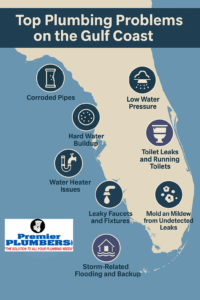
Premier Plumbers serves Florida’s Gulf Coast, including Sarasota, Manatee, Charlotte, Lee, Collier, and Hillsborough counties. If your vacation property is in an unlisted or edge-of-area location, call to confirm service coverage. Homeowners can also explore practical guidance on common plumbing problems on Florida’s Gulf Coast.
A simple seasonal checklist
Use this concise routine as a reminder, then adapt it to the home and any advice from a qualified professional:
- Before leaving: check under sinks, around toilets, visible pipes, appliances, and the water heater; run seldom-used fixtures; record anything unusual.
- During a long absence: follow the property-specific water and appliance plan; ask a caretaker to make agreed visual checks and report changes.
- Before guests arrive: restore systems according to instructions, run fixtures, check for leaks and slow drains, and confirm hot water works as expected.
- After a problem: note the date, affected fixtures, symptoms, and any work performed; follow up on recurring issues rather than treating them as isolated events.
Call to discuss a plumbing concern
A consistent routine cannot prevent every plumbing problem, but it can help you spot changes and respond before the next stay. Keep clear instructions, act on recurring symptoms, and arrange professional assessment when a problem goes beyond a basic visual check.