What a Reverse Osmosis Water Filter Actually Does (And Why It Matters)
A reverse osmosis water filter is one of the most effective ways to purify your drinking water at home. Here’s a quick summary of what you need to know:
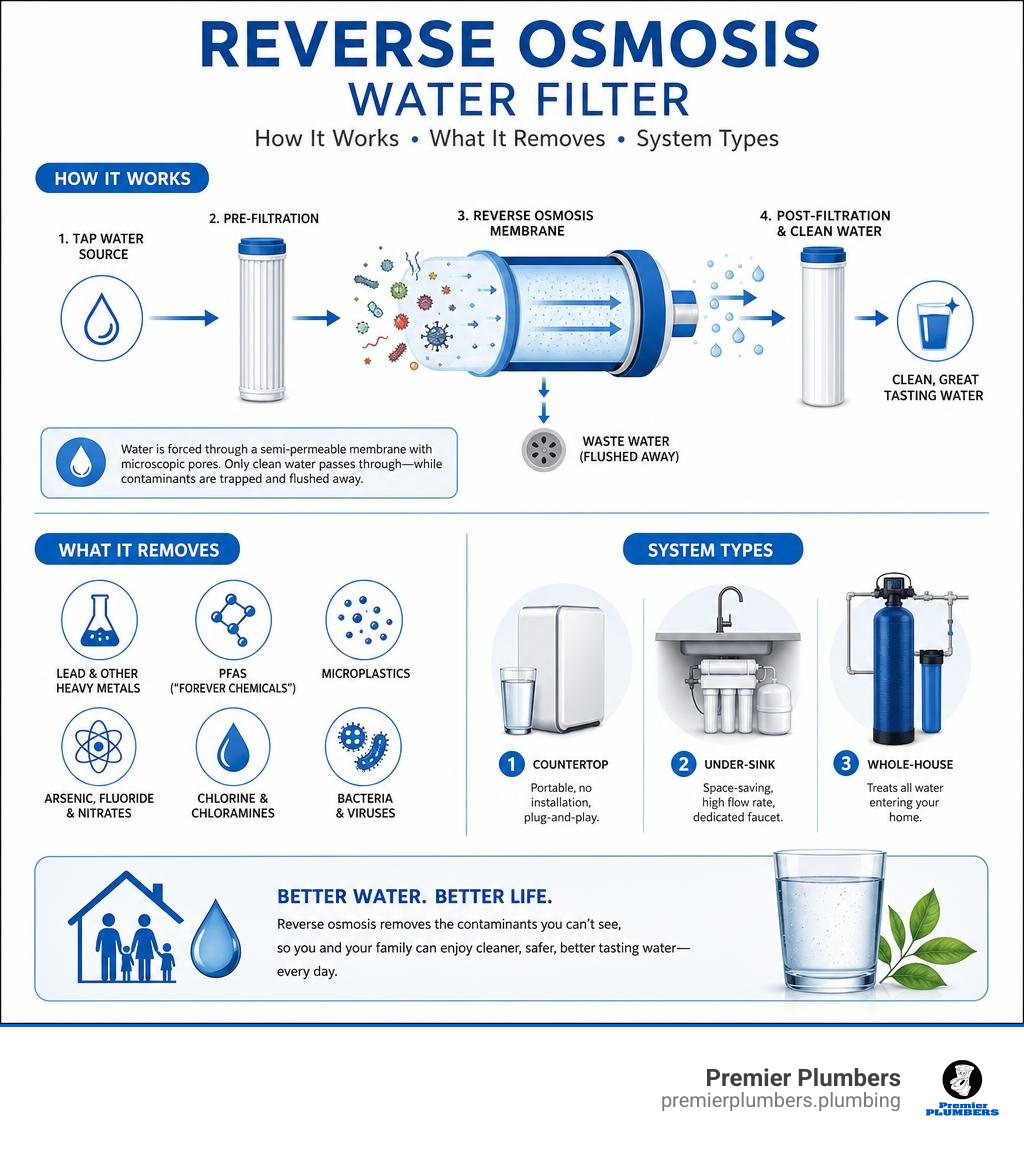
What is a reverse osmosis water filter? An RO system forces tap water through a semi-permeable membrane with pores as small as 0.0001 microns. This removes up to 99.99% of dissolved contaminants, things your eyes can’t see but your body absorbs every day.
What does it remove?
- Lead and heavy metals
- PFAS (“forever chemicals”)
- Microplastics
- Arsenic, fluoride, and nitrates
- Chlorine and chloramines
- Bacteria and viruses
Main types available:
- Countertop: portable, no installation, plug-and-play
- Under-sink: space-saving, high flow rate, dedicated faucet
- Whole-house: treats all water entering your home
Bottom line: If you’re concerned about tap water quality in Florida, where water can carry heavy minerals, chlorine, and contaminants, an RO system is worth understanding before you buy.
For Florida homeowners, water quality isn’t just a comfort issue. It’s a daily health concern. Tap water that looks clear can still carry lead, PFAS, and other invisible contaminants that standard pitcher filters simply can’t catch. That’s exactly why more homeowners are turning to RO systems, and why it pays to understand how they work before choosing one.
At Premier Plumbers, our team brings a three-generation plumbing legacy and more than 34 years of experience serving Southwest Florida, including the installation and maintenance of reverse osmosis water filter systems for residential and commercial clients. If you are comparing filtration options or want a system matched to your home’s water quality, our water purification service can help with professional guidance, installation, and ongoing support. In the sections below, we’ll walk you through everything you need to make a confident, informed decision.
What is a Reverse Osmosis Water Filter and How Does It Work?
To understand a reverse osmosis water filter, it helps to look at how nature behaves. In regular osmosis, water naturally flows from a diluted solution to a more concentrated one to balance things out.
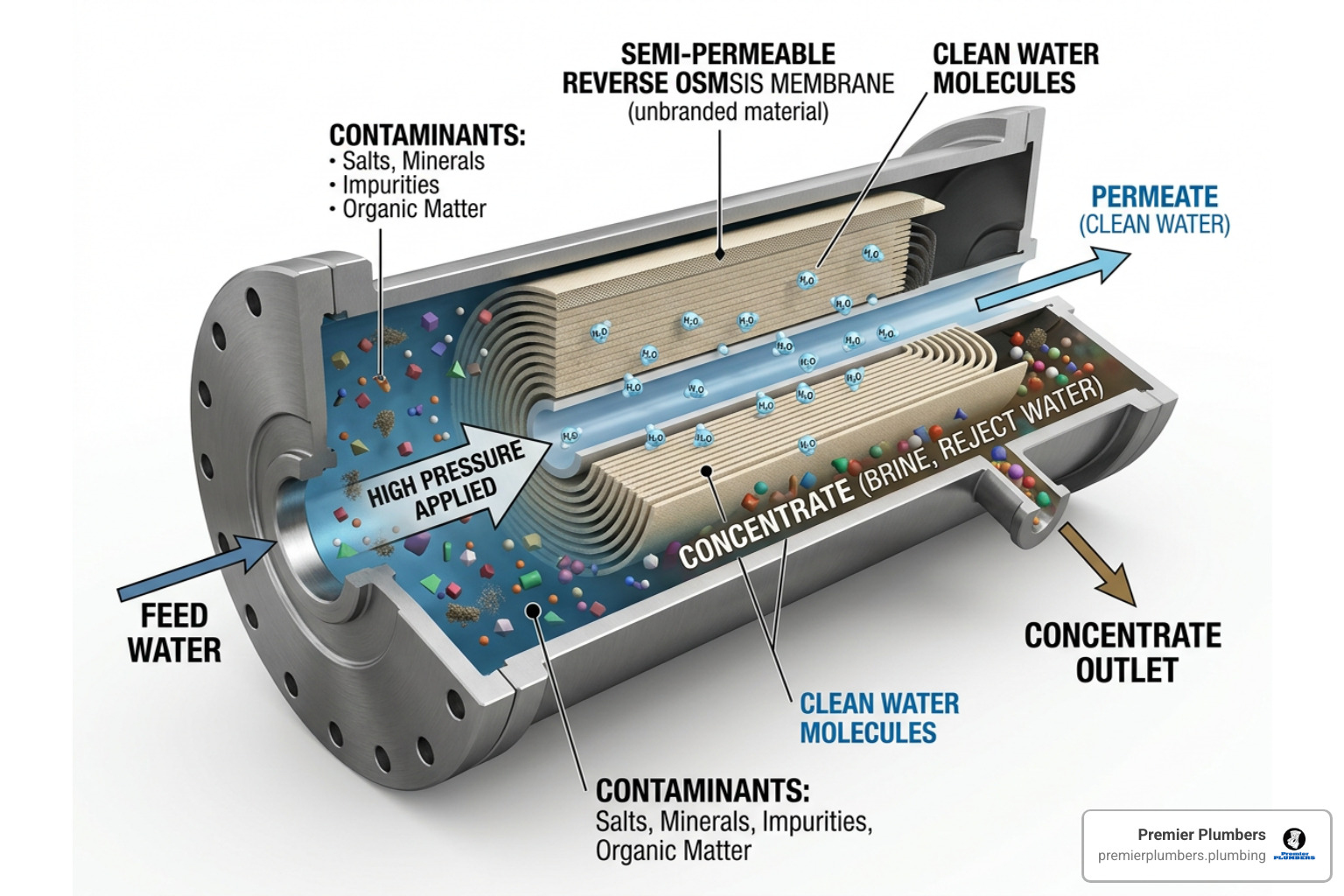
Reverse osmosis does the exact opposite. By applying high pressure to tap water, we force it through a semi-permeable membrane. This membrane acts like an ultra-fine microscopic screen, allowing only pure water molecules to pass through while blocking and flushing away dissolved solids, heavy metals, and chemical pollutants.
This process is known as hyperfiltration. Interestingly, Florida has a long history with this technology. Cape Coral, Florida became the very first U.S. municipality to use reverse osmosis at scale back in 1977, proving how effective this process is at treating challenging brackish water supplies. Whether you are on municipal tap water in Tampa or well water in Naples, RO systems use this same high-pressure principle to deliver bottled-quality water straight to your kitchen.
How the Filtration Process Removes Impurities
At the heart of any reverse osmosis water filter is its microscopic pore size. The RO membrane features pores that are approximately 0.0001 microns (or 0.0001μm) in size. To put that in perspective, a single strand of human hair is about 70 microns wide.
Because the membrane pores are so incredibly small, a multi-stage filtration process is necessary to protect the membrane from getting clogged too quickly:
- Pre-filter (sediment filter): Catches larger particles like dirt, rust, and silt.
- Carbon block filter: Absorbs chlorine, chloramines, bad tastes, and odors that can damage the delicate RO membrane.
- Reverse osmosis membrane: The heavy-lifter that filters out microscopic dissolved solids, chemicals, and heavy metals.
- Post-filter (polishing/remineralization filter): A final carbon filter that refines the taste of the water before it reaches your glass, sometimes adding healthy minerals back in.
Contaminants Removed by a Reverse Osmosis Water Filter
High-quality RO systems can reduce up to 99.99% of 158 impurities and Total Dissolved Solids (TDS). This makes them incredibly powerful compared to standard carbon pitcher filters.
An advanced RO filtration system effectively targets:
- Lead and heavy metals: Reduces up to 99% of lead, mercury, chromium-VI, and copper.
- PFAS (“forever chemicals”): Effectively filters out PFOA and PFOS.
- Microplastics: Captures microscopic plastic fibers that have found their way into local water supplies.
- Arsenic and fluoride: Removes difficult-to-filter inorganic compounds.
- Chlorine and chloramines: Eliminates the chemical smell and taste common in Florida municipal water.
- Bacteria and viruses: Offers microbiological protection, which is especially vital for homes on private wells.
For example, third-party testing shows that some countertop RO systems remove dozens of major contaminants. Similarly, advanced residential RO systems are third-party certified to reduce many contaminants, including lead, arsenic, and PFAS.
Comparing Countertop, Under-Sink, and Whole-House RO Systems
When choosing a reverse osmosis water filter for your home, you will need to choose a system configuration that fits your space, budget, and water needs. If your choice involves new supply lines, a dedicated faucet, or changes beneath the sink, it is also worth thinking about the condition of the surrounding plumbing. Premier Plumbers can help with related fixture connections and broader plumbing needs through services such as whole home re-piping when aging pipes are part of the water-quality problem.
| Feature | Countertop RO Systems | Under-Sink RO Systems | Whole-House RO Systems |
|---|---|---|---|
| Primary Use | Single-point drinking water | Dedicated kitchen faucet / ice maker | Comprehensive home water treatment |
| Installation | Plug-and-play (No plumbing required) | Moderate DIY or quick professional install | Professional plumbing installation required |
| Footprint | Sits on kitchen counter | Compact, fits under the kitchen sink | Larger footprint (garage or utility closet) |
| Flow Rate | On-demand batching (carafe) | Continuous flow (high-capacity tankless options available) | High flow for the entire household |
| Ideal For | Renters, small apartments, offices | Homeowners wanting clean drinking water | Homes with severe well water issues |
Countertop RO Systems
Countertop RO systems are completely portable, require zero plumbing installation, and are perfect for renters or those with limited under-sink cabinet space.
A countertop unit sits on your counter and typically uses a refillable reservoir. You fill it with tap water, and the system filters the water into a carafe or built-in clean-water tank. Many models are designed to reduce plastic contact and secondary pollution, and filter replacement schedules commonly range from about one to two years depending on usage and water quality.
Under-Sink RO Systems
Under-sink systems are the traditional favorite for homeowners. Modern versions are often tankless, helping preserve valuable cabinet space under your kitchen sink. They connect directly to your cold water line and deliver water through a dedicated faucet.
Several advanced under-sink RO features are worth comparing:
- High flow capacity: Some tankless systems are designed to fill cups and cooking vessels quickly.
- Multi-stage filtration: Many units combine sediment filtration, carbon filtration, RO membrane filtration, and post-filtration or remineralization.
- Smart monitoring: Select systems include filter-life indicators, TDS displays, or faucet alerts.
- Compact design: Space-saving models can be a good fit for crowded sink cabinets.
These under-sink systems provide a steady flow of purified water for drinking, cooking, and filling pots without taking up valuable counter space. They also add one more fixture and drain connection beneath the kitchen sink, so homeowners should keep an eye on drainage performance. If slow drains or recurring backups appear around the same time, Premier Plumbers‘ guide to the best ways to unclog your sink drain fast explains what you can try safely before calling a plumber.
Whole-House RO Systems
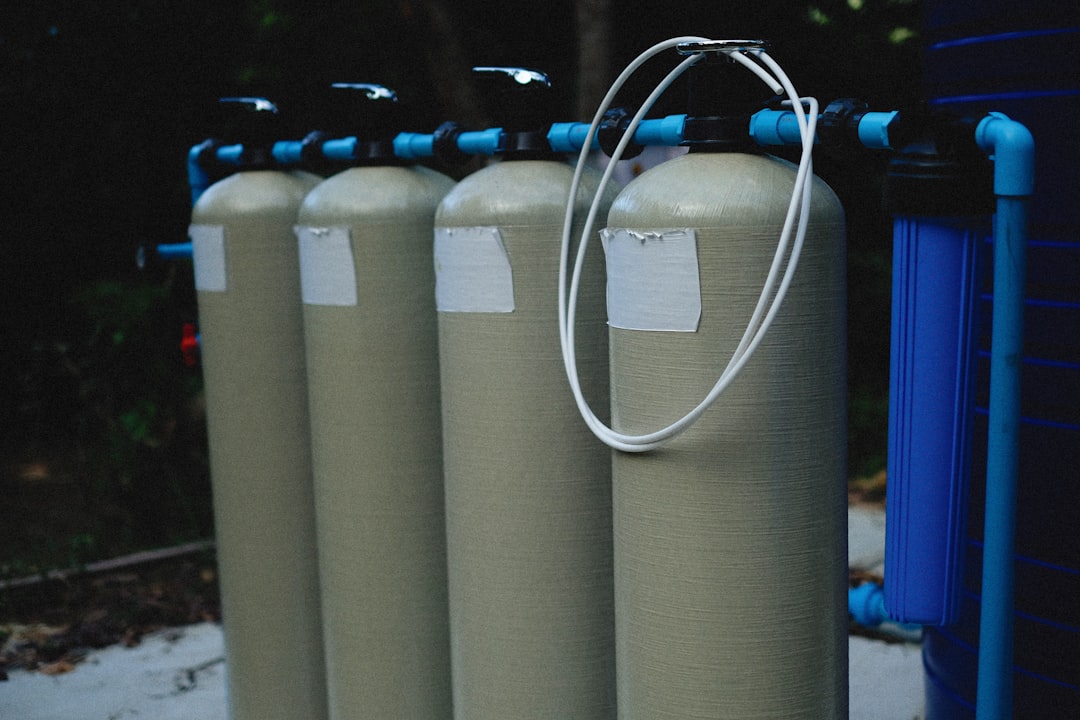
If you want purified water from every single tap, shower, and appliance in your home, a whole-house (point-of-entry) RO system is the ultimate solution. These systems treat water as it first enters your home’s main water line.
A whole-house setup typically requires a large storage tank and a booster pump to maintain strong water pressure throughout your home. These systems are highly customizable and can last for many years with regular maintenance.
In Southwest Florida, whole-house RO is often used to treat highly sulfurous or salty well water in areas like Naples, Bradenton, and Fort Myers. Homeowners in these areas, as well as Tampa, benefit greatly from whole-house systems that address local water quality challenges directly at the source.
Key Considerations: Water Waste, Minerals, and Maintenance
Before installing a reverse osmosis water filter, there are three important factors to keep in mind: water efficiency, mineral removal, and ongoing maintenance.
Managing Water Waste and Efficiency
Because reverse osmosis relies on flushing away rejected contaminants, all RO systems generate some wastewater (known as the concentrate stream).
Historically, traditional under-sink RO systems were notorious for wasting water, sometimes discharging multiple gallons of reject water for every single gallon of purified water produced. However, modern engineering has made incredible strides in water conservation:
- Improved countertop RO systems: Some newer models achieve efficient pure-to-drain water ratios.
- Improved tankless under-sink RO systems: Many high-efficiency models produce more purified water while sending less water to the drain.
If you want to minimize your environmental footprint, look for systems that meet EPA WaterSense standards. WaterSense-labeled RO systems are certified to use 2.3 gallons or less of reject water per gallon of treated water, saving homeowners an average of 3,100 gallons of water per year compared to older, inefficient models.
The Remineralization Debate: Restoring Essential Minerals
The RO process is so effective that it removes nearly all dissolved minerals from your water, including beneficial minerals like calcium and magnesium.
This deep purification can make the water taste slightly “flat” or “empty.” It can also lower the water’s pH, making it slightly acidic. Acidic water is not ideal for some plumbing systems over time, and in whole-house systems, it may contribute to metal leaching from copper plumbing pipes if the water is not properly stabilized.
To solve this, many modern RO systems include an alkaline remineralization filter. These filters reintroduce small amounts of calcium and magnesium back into the water. This balances the pH and restores a crisp, refreshing, spring-like taste to your drinking water.
Maintaining Your Reverse Osmosis Water Filter
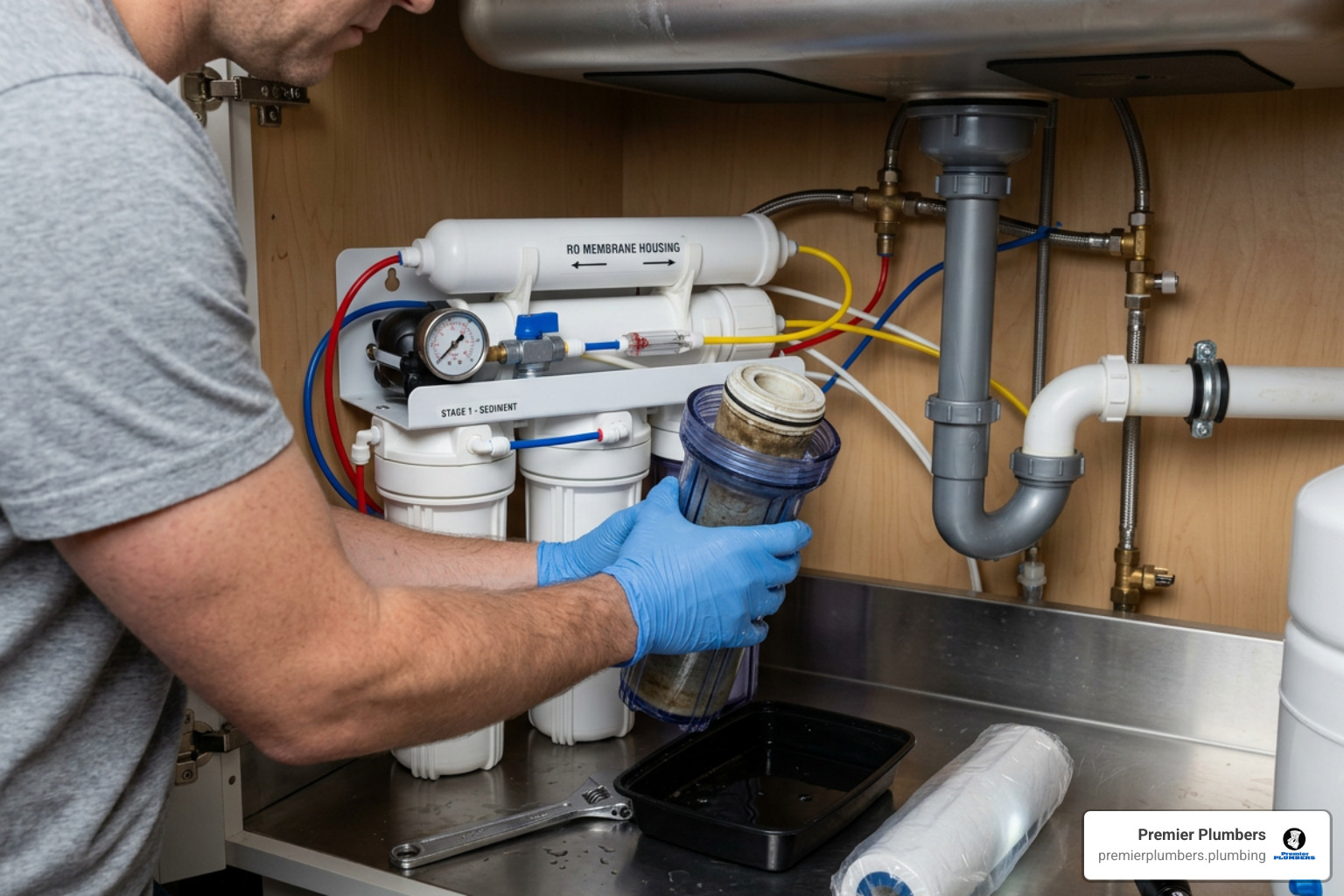
To keep your system running at peak performance, you must replace the filter cartridges on a regular schedule. Neglecting maintenance can damage the RO membrane and reduce your water quality.
Fortunately, modern systems make maintenance easier with quick-change, twist-and-pull filter designs that require no special tools. Many under-sink systems also feature smart LED faucets or digital displays that monitor your water’s real-time TDS levels and flash a light when a filter change is due.
Frequently Asked Questions about RO Systems
How long do reverse osmosis filters last?
The lifespan of your filters depends on your water usage and the quality of your incoming tap water. As a general rule:
- Sediment and Carbon Pre-Filters: Replace every 6 to 12 months to protect the RO membrane from chlorine and large debris.
- Reverse Osmosis Membrane: Typically lasts 12 to 24 months (some premium membranes can last up to 2 years before needing replacement).
- Post-Carbon / Remineralization Filters: Replace every 12 months to ensure your water continues to taste fresh and crisp.
Does reverse osmosis water taste different?
Yes, and most people find it tastes significantly better! By removing chlorine, chloramines, rust, and organic compounds, a reverse osmosis water filter eliminates the chemical odors and metallic tastes often found in Florida tap water. If your system includes a remineralization stage, your water will taste crisp, sweet, and clean, much like high-end bottled spring water.
Can I install an RO system myself?
Countertop units require zero installation. You simply plug them in and fill the tank. Many modern tankless under-sink systems are designed for DIY installation and can often be set up with basic household tools if the existing plumbing and cabinet layout are compatible.
However, if you are uncomfortable working under your sink, tapping into your cold water line, or drilling a hole in your countertop for the dedicated faucet, hiring a professional plumber ensures a leak-free installation. Whole-house RO systems always require professional installation to ensure proper plumbing integration, pressure balance, and drainage.
Conclusion
Investing in a reverse osmosis water filter is one of the best steps you can take to protect your family’s health and enjoy pure, delicious drinking water right from the comfort of your kitchen. Whether you choose a portable countertop model, a space-saving tankless under-sink system, or a comprehensive whole-house solution, removing many common contaminants provides invaluable peace of mind.
For homeowners in Southwest Florida, from Sarasota and Bradenton down to Fort Myers, Naples, and the surrounding communities, dealing with local water quality challenges is easier with the right filtration system in place. Whether you are in Charlotte County, Lee County, or any of our other service areas, finding the right solution is key to ensuring your family has access to clean, safe water. If water quality issues come with sewer odors, repeated drain backups, or urgent plumbing symptoms, our guide on handling emergency blocked drains can help you spot when the problem needs immediate attention.
If you are ready to upgrade your home’s water quality with a professionally installed under-sink or whole-house reverse osmosis system, our team at Premier Plumbers is here to help. Backed by a three-generation legacy of plumbing expertise, we provide reliable, high-quality installations tailored to your home’s unique water needs.
Contact our professional water purification technicians today to schedule a consultation and take the first step toward pure, healthy water.