Signs Your Cape Coral Home Needs Whole-Home Repiping
It is time to repipe your Cape Coral home when you notice persistent pinhole leaks, rust-colored or discolored water, a sudden drop in water pressure, foul tastes or odors, or signs of an active slab leak such as damp flooring, warm spots on tile, unexplained water bill spikes, or the sound of running water when fixtures are off. These symptoms indicate that aging supply lines are corroding, narrowing, or failing behind walls and beneath the foundation.
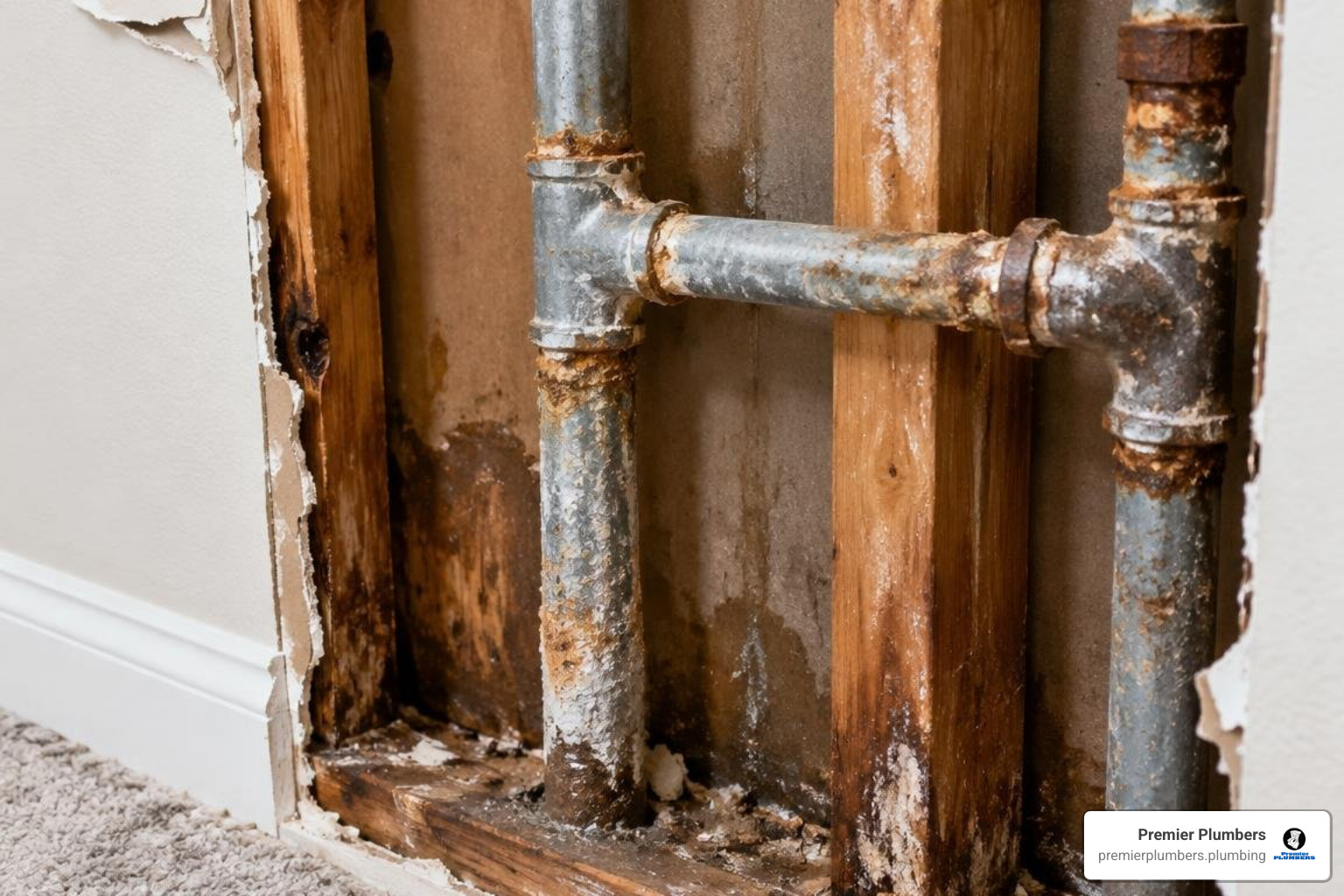
Living in Southwest Florida offers incredible sunshine and waterfront living, but coastal humidity, shifting soils, and hard mineral-rich municipal water can take a heavy toll on residential plumbing systems. Older homes across Cape Coral, Fort Myers, and surrounding communities often harbor hidden deterioration behind drywall or beneath concrete foundations. Over decades, aging pipes succumb to wear and tear, quietly threatening your property with structural moisture damage and mold growth.
Recognizing the early warning signs of pipe failure can save you thousands of dollars in emergency repairs and water remediation. Here are the primary indicators that your home is ready for a complete system update:
- Persistent Pinhole Leaks: If you find yourself frequently patching water lines, your piping has reached the end of its useful lifespan. Isolated repairs only shift water pressure to the next weakest point in the line.
- Rust-Colored or Discolored Water: Brown, yellow, or reddish water from your taps indicates internal oxidation and flaking inside old galvanized steel lines. This corrosion degrades water clarity, stains porcelain fixtures, and ruins laundry.
- Sudden Drop in Water Pressure: Mineral buildup and rust deposits gradually narrow the internal diameter of metallic pipes, choking off water flow and turning your morning shower into a frustrating trickle.
- Foul Tastes or Odors: Corroding metals and deteriorating sealants introduce unpleasant metallic or earthy flavors into your drinking water.
- Slab Leak Indicators: Damp flooring, unusually warm spots on tile, unexplained spikes in your water bill, or the constant sound of rushing water when fixtures are off point directly to an active leak beneath your concrete slab.
In historic or mid-century Florida neighborhoods, homeowners must also pay close attention to structural drainage lines. Decaying drain infrastructure often calls for professional cast iron pipe replacement to prevent catastrophic sewage backups under the foundation. When fresh water supply lines and drain lines fail simultaneously, addressing the underlying infrastructure delivers comprehensive peace of mind.
How Repiping Specialists Diagnose Failing Pipes
Identifying the full scope of plumbing deterioration requires advanced diagnostic tools rather than guesswork. When our team at Premier Plumbers evaluates a home, we conduct comprehensive water pressure testing to locate system-wide drop-offs and hidden pressure losses.
We utilize high-resolution digital video pipe cameras to inspect drain lines from the inside out, exposing hairline fractures, root intrusion, and interior wall thinning. Acoustic leak detectors and thermal imaging cameras allow us to isolate pinhole leaks behind walls and beneath concrete slabs without causing unnecessary property destruction. Homeowners can also spot subtle surface cues early by reviewing underground water line repair warning signs to catch severe mainline failures before they cause foundation settling.
Full Replacement vs. Phased Repiping
A common question homeowners ask is whether they can repipe a single bathroom or kitchen rather than replacing the entire plumbing network at once. While phased repiping might seem like a budget-conscious strategy upfront, full whole-home replacement is almost always the more cost-effective and practical choice.
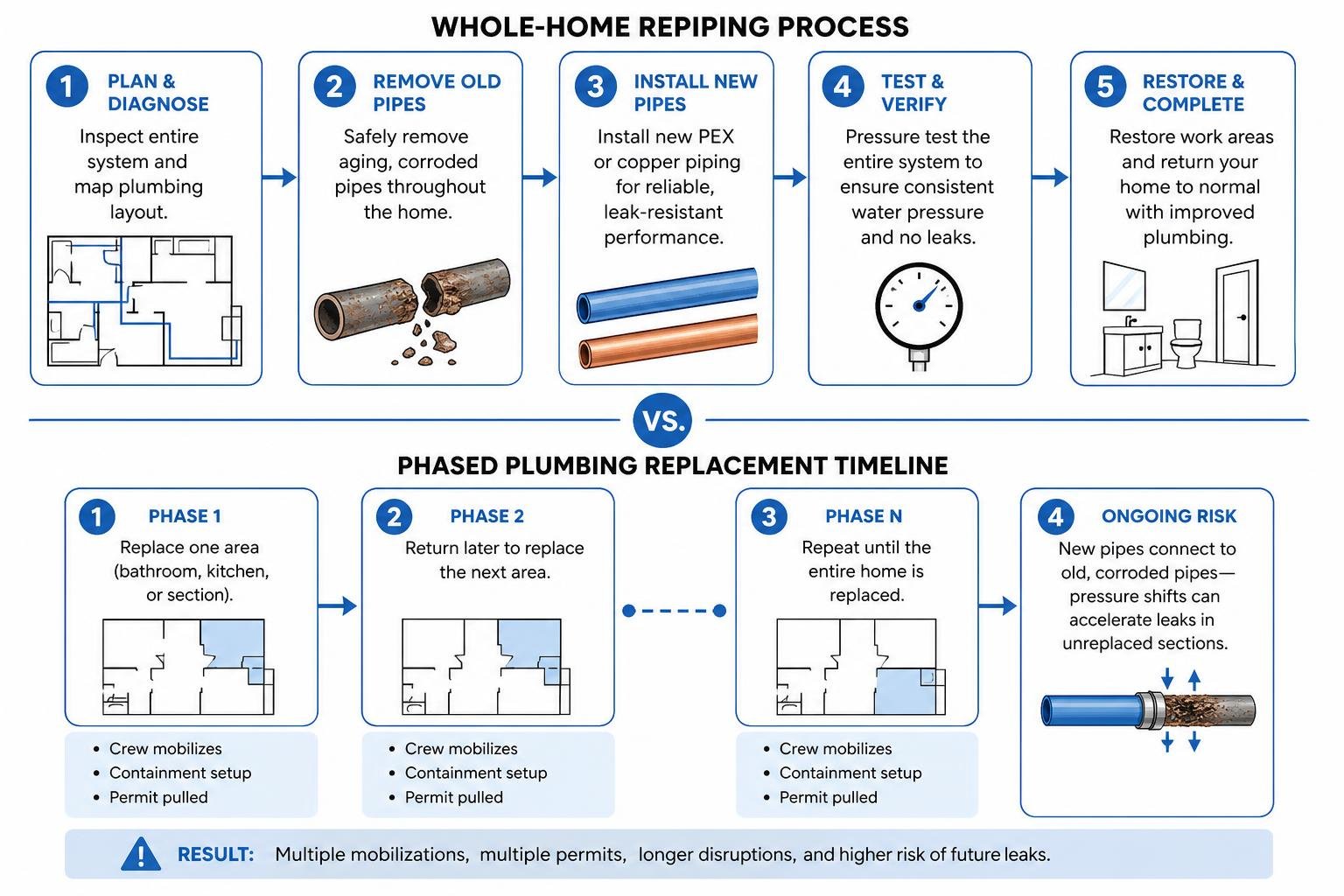
Phased repiping requires the crew to mobilize multiple times, set up containment zones repeatedly, and pull separate building permits for each section of the home. Connecting brand-new, high-pressure piping directly into brittle, corroded legacy pipes often forces pressure downstream, accelerating leaks in the untouched sections. In contrast, completing a whole-home repipe in one organized operation minimizes domestic water shutoff times, ensures uniform water pressure across every fixture, and eliminates the recurring stress of plumbing emergencies.
Pipe Materials: Comparing PEX vs. Copper for Southwest Florida Homes
Choosing the correct piping material is one of the most critical decisions during a repiping project. Today, modern residential plumbing relies almost entirely on two proven materials: cross-linked polyethylene (PEX) and copper. Both provide exceptional service life, but they behave differently under Florida’s specific environmental conditions.
| Feature / Metric | PEX Tubing (PEX-A) | Type L Copper |
|---|---|---|
| Material Flexibility | Highly flexible; bends around framing | Rigid; requires soldered or pressed fittings |
| Corrosion Resistance | 100% immune to corrosion and pitting | Susceptible to acidic water or harsh soil chemistry |
| Scale & Mineral Buildup | Highly resistant; smooth interior wall | Low, but prone to interior mineral deposits |
| Freeze & Stress Tolerance | Expands slightly during unusual cold snaps | Can split if water freezes solid inside |
| UV Resistance | Degrades under direct sunlight (indoor use) | Completely immune to UV degradation |
| Installation Speed | Fast; long continuous runs, fewer joints | Slower; labor-intensive joint fabrication |
| Relative Material Cost | Highly affordable and budget-friendly | Higher material and fabrication expense |
PEX Tubing Advantages for Florida Plumbing
PEX tubing, particularly high-grade PEX-A, has become the industry standard for residential repiping across Southwest Florida. Its unique chemical structure allows the tubing to bend effortlessly through wall cavities, floor joists, and attic spaces with minimal drywall cutting. Because PEX systems utilize continuous runs from a central manifold to each fixture, the overall number of hidden fittings is drastically reduced, effectively eliminating potential leak points inside your walls.
Furthermore, PEX is completely non-reactive to the treated municipal water supplies found throughout Lee, Collier, Sarasota, and Hillsborough counties. It will not scale up with mineral deposits, nor will it pit or corrode when exposed to coastal air. Because PEX tubing is faster to route and connect, it significantly reduces on-site labor hours, making it an economical way to upgrade an aging plumbing infrastructure.
Copper Pipe Longevity and Durability
For property owners who prefer traditional metallic piping, rigid Type L American-made copper remains a premium, time-tested standard. Copper has protected residential water systems for generations, offering exceptional durability and a rigid profile that looks clean and orderly in exposed areas like utility closets and garage water entry points.
Copper is naturally biostatic, meaning it inhibits the growth of bacteria inside water supply lines. It is completely impermeable to outside contaminants, highly resistant to heat, and completely unaffected by ultraviolet light. While copper carries higher raw material and fabrication expenses than PEX, its decades-long track record adds measurable prestige and long-term resale value to luxury waterfront properties.
Why Hiring Certified Repiping Specialists Makes a Difference
Repiping an occupied house is fundamentally different from roughing in plumbing on a brand-new construction site. General handymen and service plumbers typically spend their days clearing clogged drains, rebuilding toilets, or replacing water heaters. While those repair skills are valuable, a whole-home repipe requires a coordinated, surgical approach to protect your living space while completely replacing the home’s water veins.
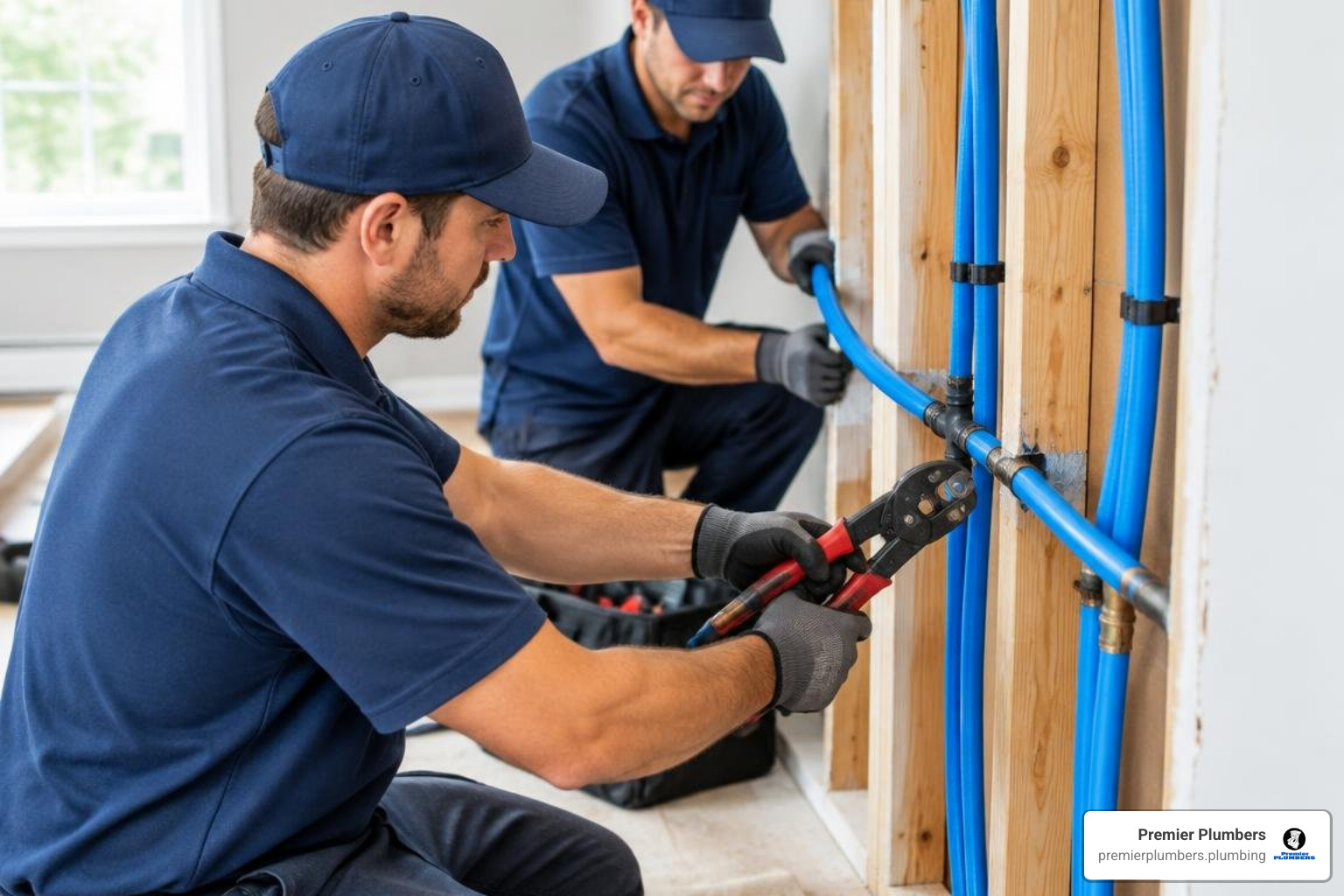
Dedicated specialists understand the intricacies of routing modern supply lines through finished walls, ceilings, and attics with the least invasive methods possible. By utilizing specialized expansion tools, continuous tubing, and precise access planning, experienced crews keep wall openings small and clean. Premier Plumbers provides whole-home repiping services that manage the project from initial sizing calculations through final drywall texture matching, helping reduce homeowner disruption.
Questions to Ask Repiping Specialists Before Hiring
Hiring the right contractor is the most important step in guaranteeing a successful, stress-free repiping project. Before signing an agreement or making a deposit, ask prospective contractors these essential qualification questions:
- Are you a state-certified plumbing contractor with active general liability and worker’s compensation insurance? Never allow an unlicensed handyman or unverified contractor to perform structural water line work in your home.
- Will your company pull all required municipal building permits and coordinate city inspections? Unpermitted repiping work can void homeowner insurance policies and create major title roadblocks when selling your property.
- Do you provide a comprehensive, transferable lifetime workmanship warranty? Reliable specialists stand behind their labor long after the initial installation is finished.
- Is wall patching, texture blending, and cleanup included in the written bid? Clarify whether the contractor handles complete drywall restoration or leaves you to hire separate drywall professionals.
- How many days will our home be without water during the project? Dedicated crews ensure that water is safely restored at the end of each working day so your household remains functional.
Understanding Repiping Costs and Timeline Factors
Repiping expenses are influenced by several practical site variables rather than a single flat rate. Key factors shaping the final quote include:
- Total Home Square Footage and Number of Stories: Multi-story homes require complex vertical line routing and careful floor-to-floor access planning.
- Fixture Count: Every sink, toilet, shower, hose bib, water heater, refrigerator ice maker, and washing machine connection adds dedicated supply runs and shutoff valves.
- Foundation Type and Accessibility: Homes built on concrete slabs with tight attic spaces or cathedral ceilings require strategic line routing compared to homes with accessible crawlspaces.
- Material Selection: Choosing premium Type L copper over flexible PEX tubing increases raw material expenses and requires additional labor hours for joint soldering or pressing.
For homeowners comparing project scopes, our guide on how to navigate a whole-home repipe explains how material choices, access conditions, and fixture counts can shape the installation plan. An experienced, properly equipped crew can often complete the physical pipe installation on a standard single-family home in one to two days, followed promptly by municipal inspections and cosmetic drywall finishing.
Frequently Asked Questions About Repiping in Cape Coral
How long does a whole-home repiping project take?
For a standard single-family home, the physical installation of the new water supply system typically takes one to two days. During this active installation window, our crew turns off the water during working hours but restores essential domestic water service by late afternoon. Once the new lines pass local municipal pressure inspections, professional drywall patching and texture matching generally take an additional one to two days, leaving your home looking pristine.
What is the most cost-effective material to repipe a house?
Cross-linked polyethylene (PEX) tubing is the most budget-friendly material available for modern residential repiping. PEX is less expensive to manufacture than mined metals like copper, and its remarkable flexibility allows plumbers to fish long, uninterrupted lines through existing framing without cutting every few feet. This dramatically reduces total labor hours, fitting counts, and jobsite duration, translating into significant overall savings for homeowners.
Can repiping be completed without extensive drywall damage?
Yes. Professional repiping specialists utilize minimally invasive techniques to preserve your home’s interior finishes. Rather than tearing down large sections of drywall, technicians cut small, precise access points, often located inside base cabinets, closets, or behind appliances, to guide the flexible tubing into place. Once the plumbing inspection is signed off, these small drywall cuts are neatly patched, textured, and prepared for paint, restoring your living spaces to their original condition.
Reliable Whole-Home Plumbing Solutions
Replacing old, unreliable plumbing is one of the smartest investments you can make in your Florida home. By replacing corroded supply lines with modern, high-performance materials, you eliminate hidden leak hazards, protect your home equity, and enjoy crystal-clear water pressure every time you turn on a faucet.
At Premier Plumbers, our family-owned company brings a proud three-generation plumbing legacy to every project across Cape Coral, Naples, Sarasota, Tampa, and the surrounding Gulf Coast communities. Our licensed, background-checked team treats your home with the care it deserves, utilizing heavy-duty drop cloths, precision dust management, and reliable craftsmanship backed by robust warranties.
When you are ready to eliminate plumbing worries and protect your property for decades to come, contact our repiping specialists to schedule your comprehensive, in-home plumbing assessment today.