When Your Sewer Line Fails, Here’s What Florida Homeowners Need to Know
Sewer line replacement is one of the most significant home repair projects you can face, and knowing when you need it, what it costs, and who to call can save you thousands of dollars.
Quick answers for homeowners:
- Do I need replacement or just a repair? About 30% of homeowners need sewer main repair, while roughly 22% need full replacement. A camera inspection tells you which.
- How much does it cost? Most residential jobs run between $5,000 and $15,000 in 2026, with a total range of $3,000 to $25,000 depending on method, depth, and pipe length.
- How long will it take? Trenchless methods can finish in one day. Traditional excavation typically takes longer depending on access and depth.
- How long will a new line last? A properly installed PVC sewer line can last 50 to 100 years.
- Who should I call? A licensed local plumber with sewer inspection and replacement experience who starts with a camera inspection before recommending any work.
A backed-up toilet, soggy patches in your yard, or foul odors creeping through your drains aren’t just unpleasant. They’re warning signs that your sewer lateral may be failing. Left unaddressed, the damage can spread to your home’s foundation and cost far more to fix.
This guide brings together our team’s field experience to help you make a confident, informed decision about sewer line replacement without overpaying or getting unnecessary work done.
At Premier Plumbers, our family-owned team brings a three-generation plumbing legacy and decades of hands-on sewer expertise to homes across Southwest Florida. We have diagnosed and completed sewer line replacement projects throughout Sarasota, Bradenton, Fort Myers, Naples, Tampa, Charlotte County, Collier County, and Lee County, and we will walk you through exactly what to look for and what to expect.
Warning Signs and Causes of Sewer Line Damage
Before you panic and assume your entire yard needs to be excavated, understand what is going on beneath the surface. Your sewer lateral is the underground pipe that connects your home’s plumbing system to the municipal sewer main under the street. Because it is buried, diagnosing issues can feel like detective work.
When a sewer lateral begins to fail, it rarely happens in complete silence. The system will drop subtle, and sometimes not-so-subtle, hints that something is wrong. If you suspect your system is struggling, our sewer line replacement guide for stinky situations can help you understand whether strange odors point to a minor clog or a major structural failure.
Common Signs You Need a Sewer Line Replacement
We always tell our customers in Sarasota, Bradenton, and Naples that catching these warning signs early can mean the difference between a simple spot repair and a complete sewer line replacement. Keep an eye and nose out for the following:
- Foul Odors: Sewage vapors contain hydrogen sulfide, ammonia, and methane. If you smell rotten eggs in your yard, bathroom, or near your drains, your sewer line has a crack or a break.
- Slow Drains or Multiple Clogs: A single slow sink is usually just a local clog. However, if your toilets, showers, and sinks are all draining slowly or backing up simultaneously, the bottleneck is in your main sewer lateral.
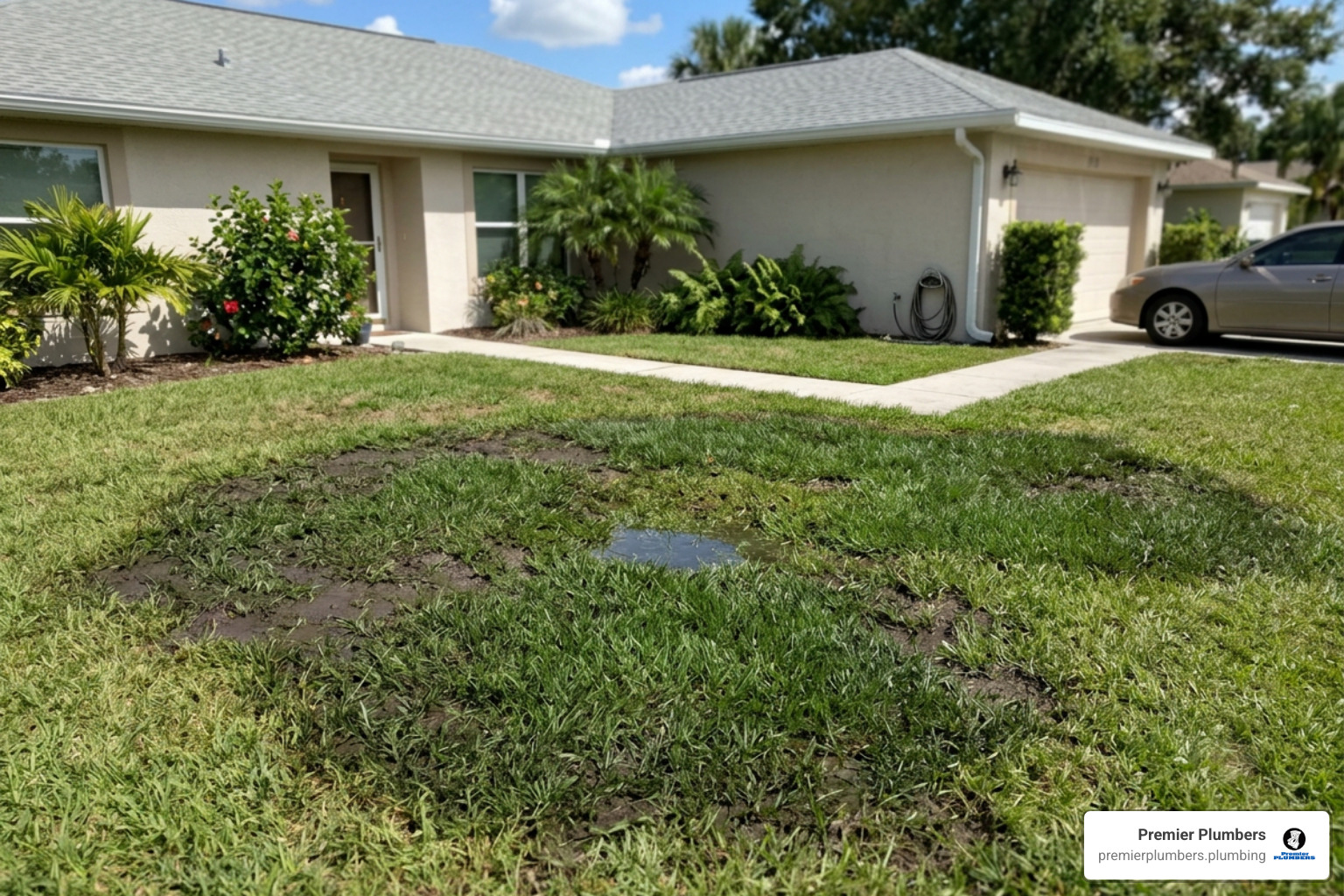
- Soggy, Unusually Green Patches in the Yard: Is one patch of your lawn looking suspiciously lush, vibrant, and damp compared to the rest? While it might look nice, it often means your lawn is feeding on the nutrient-rich wastewater leaking from a broken pipe.
- Pest Attraction: Rats, mice, and sewer insects can easily burrow into older, compromised pipes. If you notice a sudden influx of pests around your property, they may be using your cracked sewer lateral as an entry point.
- Foundation Cracks: Over time, a continuous underground sewage leak can wash away the supporting soil beneath your home. This soil movement can lead to foundation shifting, sagging, or visible cracks in your home’s concrete slab.
If you are experiencing any of these issues, professional sewer cleaning and maintenance can clear debris and help evaluate the pipe’s structural integrity before replacement decisions are made.
Primary Causes of Sewer Lateral Failure
Why do sewer lines break in the first place? In Florida’s unique coastal environment, several culprits work together to degrade underground pipes:
- Tree Roots: The absolute number-one enemy of sewer lines. Tree roots are drawn to the warmth and moisture inside your pipes. They will find even the microscopic cracks in clay or concrete pipes, grow inside, and eventually shatter the line.
- Aging Pipes and Material Deterioration: Depending on when your home was built, your sewer line might be made of outdated materials:
- Clay Tile (1900s–1950s): Very brittle and highly susceptible to root intrusion at the joints.
- Concrete (1950s–1970s): Prone to cracking and collapsing over time as the concrete degrades.
- Cast Iron: Prone to internal rusting, scale buildup, and pinhole leaks, particularly in salty coastal soils.
- Orangeburg Pipe (1945–1975): Made of compressed wood pulp and coal tar, these pipes literally squeeze flat and disintegrate over time, making them completely unsuitable for trenchless relining.
- Temperature Extremes and Soil Movement: While Florida doesn’t experience deep ground freezes, our heavy seasonal rains and dry spells cause clay-heavy soils to expand and contract. This shifting ground can easily snap rigid older pipes.
Sewer Line Replacement Methods: Trenchless vs. Traditional
When it comes to replacing a sewer line, you generally have two paths: digging a trench through your property or using modern trenchless technology. The best method for your home depends entirely on the depth of your pipe, the extent of the damage, and what sits directly above the line, such as a driveway, patio, or mature landscaping.
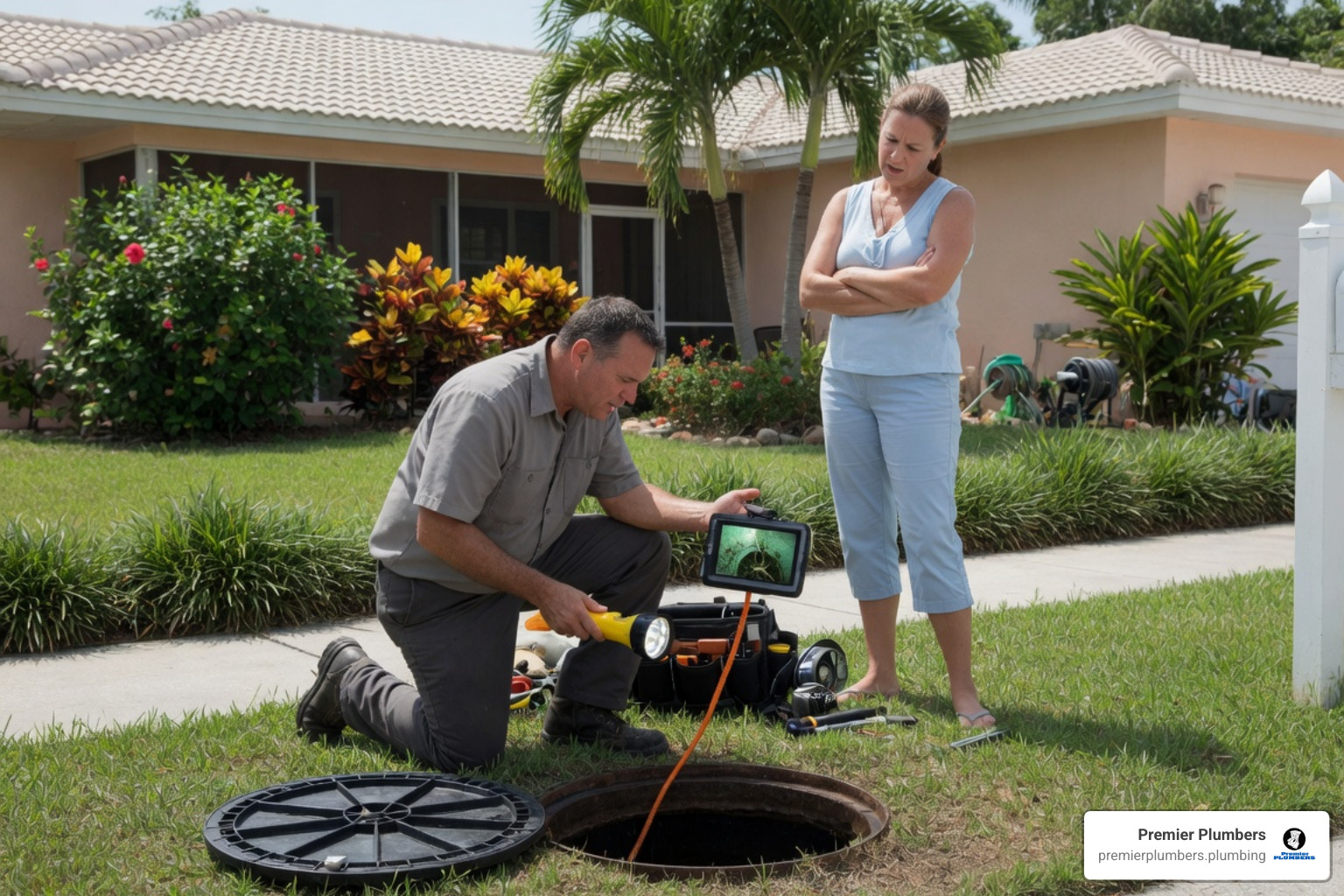
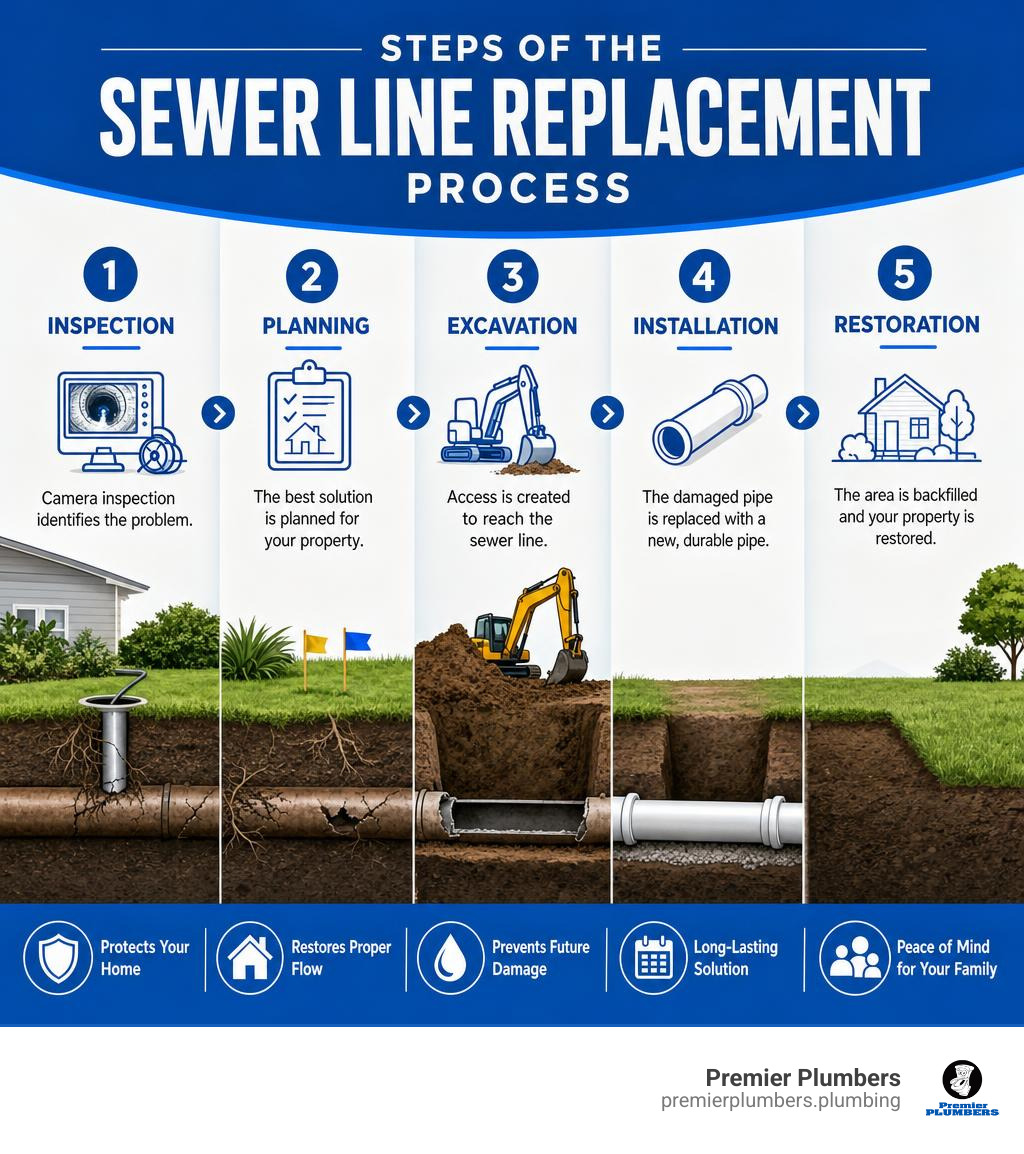
Before deciding on a method, our team performs video sewer inspections to visually map the inside of the pipe. This ensures we do not dig up your yard unnecessarily.
Homeowners comparing repair options should look closely at how the replacement method, pipe depth, total pipe length, and property access can influence the final price before choosing a contractor.
Here is a quick comparison of how these two main approaches stack up:
| Feature | Traditional Excavation | Trenchless Methods (Pipe Bursting / CIPP) |
|---|---|---|
| Excavation Level | High (full-length trench) | Minimal (small access pits) |
| Property Disruption | High (digs up lawns, driveways) | Low (preserves landscaping) |
| Average Timeline | 3 to 5 days | 1 day |
| Material Used | Schedule 40 PVC | HDPE (Bursting) or Epoxy Resin (CIPP) |
| Average Lifespan | 100 years | 50 to 100 years |
| Best For | Collapsed, back-pitched, or flat pipes | Cracked, root-damaged, or leaking pipes |
Traditional Open-Trench Excavation
Traditional excavation is the time-tested method of replacing a sewer line. It involves using heavy machinery like backhoes to dig a trench along the entire length of your sewer lateral, exposing the damaged pipe so it can be removed and replaced.
While this method is highly disruptive to your yard and can result in significant restoration costs, it is sometimes the only viable option. For instance, if your sewer line has completely collapsed, has a severe “belly” that collects debris, or is made of deformed Orangeburg pipe, trenchless methods cannot be used.
If you are facing a situation that requires a full dig, working with specialists who understand local soil conditions is crucial. Our sewer replacement Sarasota, FL team handles these projects with local permitting, soil, and access challenges in mind.
Trenchless Sewer Line Replacement Options
If your pipe’s structural pathway is still intact, trenchless technology allows us to replace or repair the line with minimal digging. The two most common trenchless methods are:
- Pipe Bursting: This method requires only two small 3×3 foot access pits at either end of the line. A heavy steel bursting head is pulled through the old pipe, breaking it apart while simultaneously pulling a new, seamless High-Density Polyethylene (HDPE) pipe into place behind it. This is highly effective and widely used throughout Southwest Florida.
- Cured-in-Place Pipe (CIPP) Lining: Often referred to as pipe relining, this process involves inserting a flexible, resin-saturated felt tube into the damaged pipe. Once in place, the tube is inflated and cured using hot water, steam, or UV light, creating a seamless “pipe within a pipe” that resists roots and leaks for decades.
For homeowners weighing non-invasive solutions, our trenchless sewer repair options page explains when pipe bursting or lining may be a better fit than open excavation.
Cost Breakdown and Key Factors in 2026
Let’s talk about the numbers. In 2026, the average cost to replace a residential sewer line runs between $5,000 and $15,000, with most homeowners paying around $12,500 for a complete job. However, simple spot repairs can be as low as $3,000, while complex replacements involving deep lines under concrete slabs can climb to $25,000.
Several critical factors drive these costs:
- Replacement Method: Traditional excavation is often cheaper upfront in terms of plumbing labor, but the secondary costs to repair ruined landscaping, concrete driveways, or patios can add $2,000 to $8,000 to your total bill. Trenchless methods like pipe bursting typically cost between $4,000 and $15,000 but require almost zero post-project restoration.
- Pipe Material Choice: Modern plumbing codes recommend Schedule 40 PVC or HDPE for residential installations due to their smooth interiors and resistance to chemical corrosion and root intrusion. These materials are highly cost-effective compared to historical options.
- Depth of the Line: The deeper the sewer line, the more labor-intensive the excavation. In coastal Florida, shallow water tables also require specialized dewatering equipment, which can increase the overall project cost.
- Access and Location Constraints: If your sewer lateral runs directly under a concrete pool deck, a paved driveway, or mature oak trees, getting to the pipe becomes significantly more challenging.
When planning your budget, it is vital to separate the cost of the plumbing work from the cost of restoring your property afterward. Our sewer line replacement cost factors resource can help you compare common project variables and choose a repair path that fits your property.
Frequently Asked Questions About Sewer Laterals
Navigating a sewer issue can be overwhelming. Here are some of the most common questions Florida homeowners ask us when facing potential sewer lateral work.
How long does a new sewer line last?
A newly installed sewer line using modern materials like Schedule 40 PVC or HDPE is highly durable and can easily last 50 to 100 years. Unlike older clay, concrete, or cast iron pipes, modern plastics resist chemical corrosion, do not rust, and feature seamless or tightly glued joints that make it incredibly difficult for tree roots to penetrate.
What permits and inspections are required?
You should never hire a contractor who attempts to perform a sewer line replacement without obtaining the proper permits. In Florida, your local municipality, whether you are in Sarasota, Bradenton, Fort Myers, or Tampa, requires a plumbing permit to ensure the work complies with the Florida Building Code.
Additionally, if the replacement extends past your property line and requires digging into the city’s right-of-way to connect to the main street line, a specialized right-of-way encroachment permit is required. Once the installation is complete, a city inspector must review and approve the work before the trench is backfilled.
How should I prepare my property for replacement?
To ensure the project goes as smoothly as possible, you can take a few steps to prepare your property before our team arrives:
- Clear the Access Areas: Ensure the path from the street to your home’s main cleanout is free of vehicles, outdoor furniture, and debris.
- Protect Valued Landscaping: If we are performing a traditional excavation, transplant any prized plants or flowers located along the path of the sewer line.
- Coordinate with Neighbors: If your driveway is shared or if heavy machinery will block part of the street, let your neighbors know ahead of time.
- Confirm Utility Marking: In Florida, calling 811 to mark underground utility lines such as gas, electric, and water is a legal requirement before any digging begins. We handle this step for our clients, but ensuring pet gates are unlocked for the locators is always helpful.
Conclusion
Facing a sewer line replacement can feel like a daunting task, but it doesn’t have to be a nightmare. By understanding the warning signs, choosing the right replacement method, and working with experienced professionals, you can protect your home and ensure your plumbing runs flawlessly for the next century.
At Premier Plumbers, we carry forward a proud three-generation legacy of plumbing excellence across Southwest Florida. From Sarasota and Bradenton down to Fort Myers, Naples, and Tampa, we treat every home as if it were our own. We believe in an honest, diagnostic-first approach, which means we always start with a high-definition video camera inspection to show you exactly what is going on inside your pipes before recommending a solution.
If you are experiencing slow drains, unusual odors, or suspect your sewer lateral is failing, don’t wait for a costly backup to occur. Reach out to our family-owned team today to contact our sewer line replacement specialists. Let our family take care of yours!