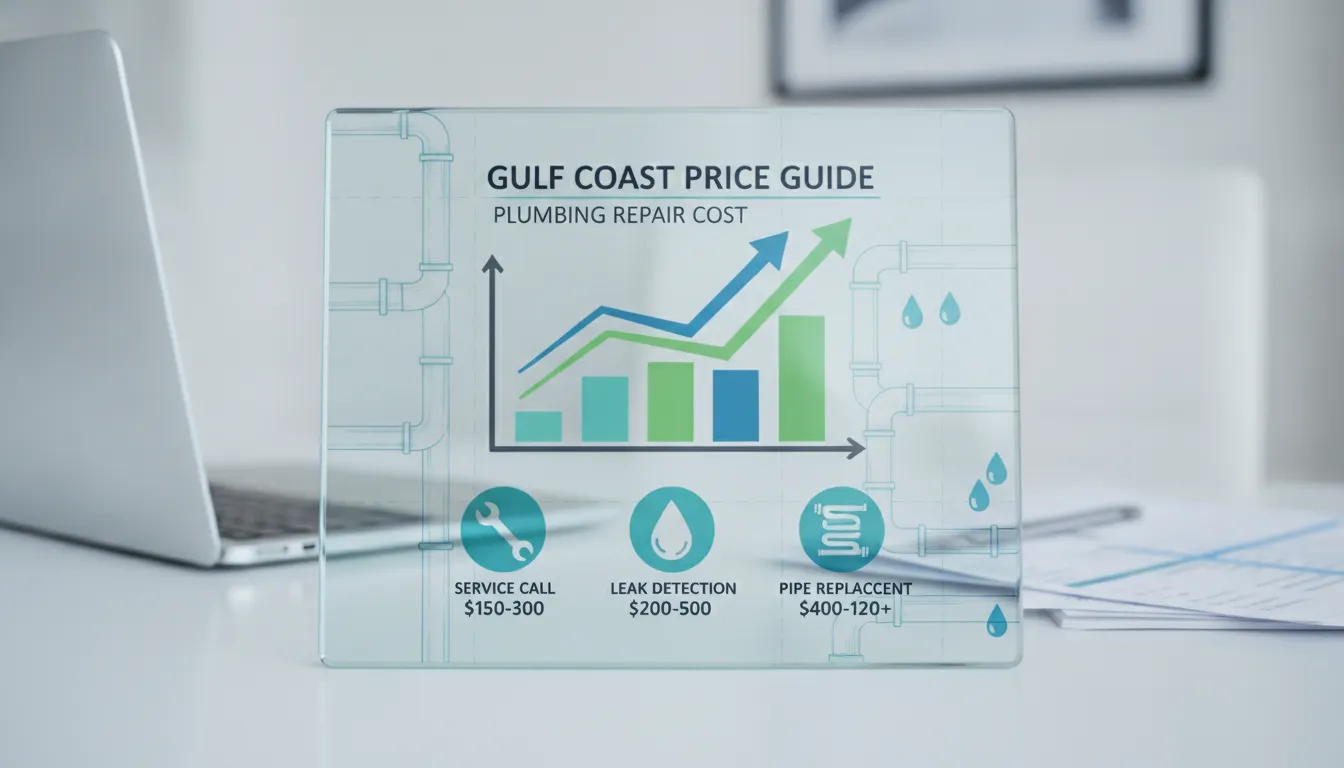
A plumbing problem rarely arrives with a clear price tag. A simple fixture repair may be straightforward, while a hidden leak, sewer backup, or burst pipe can require more time, materials, and access work. That’s why plumbing repair cost can vary widely, even for homes with similar symptoms. If you’re trying to budget for a repair in Sarasota, Tampa, Fort Myers, or elsewhere along the Gulf Coast, national averages offer a useful starting point, not a guaranteed quote. This guide covers common repair ranges, explains what affects the final bill, and shares ways to ask for a clear estimate before work begins.
Key Takeaways
- Use national price ranges for planning, not as a quote: Repair costs vary with the problem, materials, labor, and access to pipes.
- Compare estimates line by line: Confirm fees, parts, permits, cleanup, warranties, and how extra work will be priced and approved.
- Respond promptly to serious plumbing problems: Shut off the water if it’s safe, document visible damage, and contact a plumber about active leaks, burst pipes, or sewage backups.
Plumbing Repair Costs: Typical Ranges and Fees
Plumbing costs depend on the problem, how easy it is to reach, and whether the work requires replacement parts or extra repairs. The figures below are broad U.S. estimates, not a quote for a specific Gulf Coast home. Ask for an estimate that explains what the price includes and what could change if the plumber finds additional damage. For an overview of local repair and installation options, see Premier Plumbers’ services.
Typical repair costs: $182–$500
Many standard plumbing repairs cost between $182 and $500 across the U.S. This range is a general benchmark, not a set price. A simple repair may cost less, while a complicated job can exceed it. The final amount depends on the type of repair, the time involved, the parts needed, and whether the plumber can reach the problem without opening a wall or floor.
Use online averages to prepare for a conversation, not to predict an exact bill. A visible leak beneath a sink, for example, may take less work to access than a leak concealed behind a wall. This national plumbing repair cost overview provides a helpful reference point. An inspection can clarify what your home’s repair actually involves.
Service-call fees, labor, parts, and minimum charges
A plumbing bill may include a service-call or diagnostic fee, labor, parts, and a minimum charge for the visit. National estimates place service-call fees around $50 to $200 and residential plumber labor at about $75 to $150 per hour. Rates and billing practices vary by company and location. Some plumbers apply the diagnostic fee toward the repair if you approve the work; others charge it separately.
Before scheduling, ask what the initial fee covers and whether it will be credited toward the repair. Confirm whether the estimate includes parts, tax, and any minimum labor charge. HomeGuide’s guide to plumbing estimates explains common billing components, but your plumber can confirm the fees for your service call.
Compare repair and replacement costs
A repair may cost less upfront, but replacement can be worth considering when a part is badly damaged or keeps failing. For comparison, national estimates put drain cleaning at $95–$500, toilet repair at $100–$300, and burst pipe repair at $200–$3,000. Whole-house repiping can range from $4,000 to $20,000, depending on the home and the project’s scope.
These broad ranges show why it helps to weigh the immediate repair cost against the condition of the plumbing system. Ask whether the repair is likely to last and what replacement would involve. A plumber can explain the options after inspecting the issue. This plumbing repair cost overview offers more examples for comparison.
Why online averages may differ from local estimates
Online averages combine prices for different jobs, homes, and regions, so they may not reflect the cost of work at a particular Gulf Coast property. The same repair can require different amounts of labor and materials based on the damage, pipe location, access, and age of the plumbing. Local labor and material costs also affect an estimate.
The plumber may find additional work during an inspection. Hidden pipe damage, water damage, permits, or cleanup can change the job’s scope and price. Ask what the estimate includes, which conditions could add charges, and how the plumber will get your approval before doing extra work. HomeGuide’s plumbing estimate guide outlines common cost factors, but an on-site assessment is the best way to get an estimate for your home.
How Much Do Common Plumbing Repairs Cost?
Plumbing repair costs depend on the type of problem, how much damage it has caused, and how easy it is to reach the affected pipe or fixture. A simple clog may take less time and equipment to clear than a leak behind a wall or beneath a concrete slab. The price ranges below can help with planning, but they are general estimates, not quotes for a specific home on Florida’s Gulf Coast. A plumber needs to inspect the issue and confirm the work before giving you an accurate estimate.
When comparing prices, ask what each quote includes. The total may cover diagnosis, labor, parts, and cleanup, while wall or floor repairs may be separate. Online averages can also differ from local estimates because homes, materials, labor, and access conditions vary. Premier Plumbers offers drain, sewer, pipe, and water-heater services across Florida’s Gulf Coast, with recommendations based on the plumbing issue at your property.
Drain cleaning: $95–$500
Drain cleaning typically costs between $95 and $500, with an average of about $200, according to plumbing repair cost estimates. The price depends on where the blockage sits, how severe it is, and what equipment the plumber needs. A clog near a sink or tub may be relatively straightforward to clear. A deeper obstruction or a recurring blockage in the main drain may take longer and require specialized equipment.
Before the visit, note which fixtures are draining slowly and whether more than one drain is affected. Several slow drains or backups can point to a blockage farther along the drain line. Ask whether the estimate covers clearing the clog only or includes further diagnosis if the problem returns.
Toilet repair: $100–$310
Toilet repairs generally cost $100 to $310, with an average of around $190. The typical repair range can cover issues such as a running toilet, a leak, a clog, or a faulty flush component. Replacing a small part may cost less than repairing a damaged flange, addressing a leak at the base, or removing and resetting the toilet.
When you call, describe what you’ve noticed: Does the toilet run continuously, drain slowly, rock, or leak around the base? These details can help the plumber prepare, though an inspection is needed to confirm the cause. If water is reaching the floor, limit use of the toilet and mention the leak when scheduling. Ask whether the quote includes parts and testing after the repair.
Minor pipe leak repair: $150–$500
A minor leak in an accessible pipe can cost $150 to $500 to repair, with an average near $250. This estimated range applies to relatively limited leaks that are easy to reach. The price may increase if the pipe is behind a wall, under a floor, or in a tight space. Water damage to cabinets, flooring, or other materials can also add to the total.
Even a small drip can waste water and cause staining or damage if left alone. If you can safely reach the fixture’s shut-off valve, turn it off while you wait for service. Take photos of visible damage, and ask whether the estimate covers only the pipe repair or also any wall, cabinet, or flooring work.
Burst pipe repair: $200–$3,000
Burst pipe repairs can range from $200 to $3,000, with an average cost of about $1,600. This wide price range reflects the pipe’s location, the length of the damaged section, and how much access work is needed. A plumber may need to open a wall or floor to reach the break. If water has spread through the home, drying and restoration may be additional expenses.
If a pipe bursts, shut off the main water supply as soon as you can do so safely. Keep belongings away from standing water and avoid using electrical equipment in wet areas. For active flooding or a serious leak, contact a plumber promptly. Premier Plumbers provides emergency plumbing service. When you call, explain where the water is coming from and whether you’ve shut off the supply.
Water-heater repair and installation
Installing a tank water heater typically costs $1,200 to $2,500, with an average near $1,700 for the unit and labor. The installation estimate can vary with the heater’s size and model, as well as the work needed to connect it. Relocating the unit or updating venting, piping, or electrical connections may change the price. Repair costs depend on the failed component and the heater’s condition, so this installation range should not be treated as a repair estimate.
Ask the plumber to explain whether repair or replacement is the better option for your unit. Request an itemized quote that lists the heater, labor, disposal of the old unit, and any required updates. Premier Plumbers provides water-heater service and installation for homeowners in the region.
Sewer cleaning and video inspection
Sewer-line work can range from $225 to $10,000, with an average of around $3,319, according to plumbing estimate data. This broad range includes different types of sewer work, including cleaning, inspection, and repairs. It is not a set price for a video inspection alone. The final cost depends on what the inspection finds, the location of the problem, and whether cleaning, excavation, or pipe repair is needed.
A video inspection allows a plumber to see inside the sewer line and look for buildup, root intrusion, or damage. It can help explain repeated backups and identify possible next steps. Before approving work, ask whether the estimate prices inspection, cleaning, and repairs separately. That makes it easier to understand which service is recommended and what each part will cost.
Slab leak detection and repair
Slab leak repairs commonly cost $500 to $2,000. If the job requires removing and restoring concrete, costs can start at $2,000 or more, based on slab leak estimates. The price depends on where the leak is, how difficult it is to locate, and which repair method is appropriate. Flooring or concrete removal and replacement can add to the total.
Possible signs include a warm patch on the floor, damp flooring, unexplained water use, or the sound of water running when fixtures are off. These clues do not confirm a slab leak, but share them with your plumber. Ask how the leak will be located, whether concrete work is included, and what restoration the quote covers. Early inspection may help limit further damage.
Repiping and pipe lining
Whole-house repiping can cost from $4,000 to $20,000, with an average near $7,500, according to repiping cost estimates. The price depends on the home’s size and layout, the pipe material, access, and how much of the system needs replacement. Homes with widespread corrosion or repeated leaks may need more extensive work than homes with an isolated pipe problem.
Pipe lining is a different approach that may restore some existing pipes from the inside. It is not suitable for every pipe or type of damage, and the cost depends on the line’s condition and access. Ask the plumber to compare lining with replacement, explain the expected lifespan of each option, and identify any walls, floors, or landscaping that could be affected. Get an itemized estimate before approving major work.
How Plumbers Set Hourly Rates and Bill
A plumbing bill can include more than labor. It may cover the service call, diagnosis, parts, and any work needed to access or restore the affected area. Before approving a repair, ask the plumber to explain how the price is calculated and what it includes.
Typical hourly rates: $75–$150
Residential plumbers commonly charge $75 to $150 per hour, according to Subcontractor Hub’s plumbing cost guide. Use this range as a general reference, not a guaranteed price for a Gulf Coast repair. The final cost depends on the problem, parts, access to the plumbing, and the company’s billing method.
When you request an estimate, ask whether the hourly rate applies to each technician and when billable time begins. Travel, diagnosis, or setup may be billed separately, included in a service fee, or built into a flat-rate price. A written estimate can clarify what you’ll pay before the work starts.
Emergency and after-hours rates
An urgent plumbing call outside regular business hours may cost more than a scheduled visit. Subcontractor Hub reports that emergency or after-hours rates can be 30% to 60% higher than standard rates, and some emergency fees may be two or three times as much. Charges vary by company, timing, and the work required.
Before arranging service, ask what the emergency fee covers and whether it’s separate from labor, parts, or diagnosis. If a pipe is leaking or sewage is backing up, a quick response can help limit damage to your home. Premier Plumbers’ emergency plumbing service is available to Gulf Coast homeowners who need urgent help.
Compare hourly and flat-rate pricing
An hourly quote charges for the time spent on the repair. A flat-rate quote gives you a set price for a defined job, even if the work takes more or less time than expected. Many residential plumbers use flat rates that account for labor, parts, insurance, tools, vehicles, and other business expenses.
Ask what the quoted price includes, such as materials, cleanup, and access work. If the plumber discovers a different issue after starting, request an updated estimate before approving additional work. Sharing the problem and any symptoms when you call can help the company identify the right service. You can review Premier Plumbers’ services to find the type of plumbing work to ask about.
Diagnostic fees, trip charges, and repair credits
A plumber may charge a service-call or diagnostic fee to travel to your home and identify the problem. HomeGuide’s plumbing estimate overview reports that these fees often range from $50 to $200, though the amount varies by company and location. Some plumbers apply the fee to the repair if you approve the work; others charge it separately.
When booking, ask whether you’ll owe the fee if you decide not to proceed with the repair. Confirm whether it covers diagnosis only, includes a written estimate, or will be credited toward the final bill. These details make it easier to compare estimates and understand the invoice before work begins.
What Affects Plumbing Repair Costs?
A plumbing estimate reflects more than the part that needs repair. The extent of the damage, how easily a plumber can reach it, and the labor and materials involved all affect the price. Permits, cleanup, and the timing of the service can also add costs. Ask what the estimate includes before work begins, especially if the repair may involve hidden pipes or water damage.
Damage severity, complexity, and extent
A small leak at an exposed connection may be straightforward to repair. A leak hidden behind a wall or beneath a floor can take longer to locate, and the plumber may find additional damage once the pipe is exposed. Drain and sewer issues can also require specialized equipment or a video inspection to identify the cause before a repair plan can be set.
Ask whether the estimate includes diagnosis, repair, and related work, or whether those items are billed separately. Hidden pipe damage, water intrusion, and mold concerns can add costs beyond the initial repair. This overview of common hidden plumbing costs explains why the full scope may not be clear until a plumber inspects the problem.
Pipe location, access, and wall or floor repairs
A repair can take more time when the plumber needs to reach a pipe behind drywall, beneath flooring, or under a concrete slab. Access may require opening a wall or floor, then patching or restoring the area after the plumbing work is finished. Depending on the job, restoration may be handled by a separate contractor.
Before approving work, ask which access tasks are included and who will repair walls, floors, or cabinets. Some estimates cover plumbing labor and standard materials but exclude water-damage restoration. A plumbing repair cost guide notes that access work and restoration may not be included in the quoted price. Get those details in writing so you know what to budget for.
Labor, parts, and materials
Labor costs depend on how long the repair takes, the tools and skills required, and the plumber’s pricing structure. Parts and materials also affect the total. Replacing a common fixture component is different from installing a new pipe section or a specialized valve. The right material depends on the existing plumbing, the location of the repair, and applicable requirements.
Ask for an itemized estimate that separates labor from parts and clarifies whether testing and cleanup are included. Online rate ranges can provide a rough reference, but prices vary by location and job. A plumbing cost estimator lists hourly labor as one factor in its calculations. A local estimate will better reflect the work and conditions at your property.
Permits, cleanup, and restoration
Some plumbing projects may require permits or inspections, including certain water-heater replacements, sewer repairs, and major pipe replacements. Requirements vary by location and type of work. Ask your plumber whether a permit is needed and whether the estimate includes permit and inspection fees.
Cleanup and restoration can add to the cost, too. A leak may damage drywall, flooring, or cabinets that need attention after the plumbing repair. Confirm who will remove debris, dry affected areas, and arrange any follow-up repairs. Ask the plumber to list exclusions in writing, so you can plan for costs outside the plumbing work. This is especially useful when a leak has been hidden and the full extent of the damage only becomes clear after the pipe is accessible.
Timing, demand, and emergency response
The time of day can affect the cost of a repair. Service outside regular business hours may involve an emergency fee or a different labor rate. But waiting can be more costly when a burst pipe, sewage backup, or active leak continues to damage your property. If water is flowing, shut off the affected fixture or the main supply if you can do so safely, then call a plumber.
For urgent service, ask about the service-call fee, expected arrival time, and whether diagnosis is charged separately from the repair. Premier Plumbers provides emergency plumbing service along Florida’s Gulf Coast. If the problem is contained and not causing damage, ask whether it can wait for a regular appointment and standard scheduling.
How Gulf Coast Conditions Affect Plumbing Costs
Along Florida’s Gulf Coast, the cost of a plumbing repair can depend on local conditions as well as the part that needs attention. Salt air and moisture may affect exposed metal components, while heavy rain can bring existing drainage or sewer problems to light. Soil conditions, tree roots, and the layout of a home can also affect how easily a plumber can reach a damaged pipe.
That does not mean every home will face the same issues, or that coastal conditions always make a repair more expensive. The price depends on the problem’s location, how much damage has occurred, and what work is needed to fix it. A straightforward repair to an exposed fitting, for example, is different from replacing a pipe beneath a concrete slab.
When reviewing an estimate, ask the plumber to explain what caused the problem and which steps are included in the proposed repair. Check whether the price covers diagnosis, access work, permits, cleanup, and any needed restoration. For suspected sewer-line problems, a video inspection can help locate the issue and clarify the repair scope before work begins.
Coastal exposure, corrosion, and aging pipes
Salt air and moisture can contribute to corrosion on exposed metal plumbing, such as outdoor pipes, hose connections, and fixtures. Corroded fittings may be harder to remove, which can add time to a repair. In older homes, worn or deteriorating pipes may also leak or restrict water flow.
The cost depends on whether the damage is limited to one fitting or affects a larger section of plumbing. If nearby pipes show similar wear, replacing only the visible problem may not address the underlying issue. Ask whether the plumber has checked the surrounding pipe and what the estimate covers. Hidden pipe damage can lead to additional repairs if it goes unnoticed, as described in this overview of common hidden plumbing costs.
Heavy rain, storms, and drain or sewer backups
Heavy rain can reveal existing drainage problems or make a sewer backup more noticeable, especially when a line is already blocked or damaged. Storm debris and saturated ground may also complicate diagnosis. The repair cost depends on where the problem is, whether the blockage is inside the home or in the sewer line, and what is needed to restore proper flow.
If a backup keeps returning, ask for a diagnosis instead of relying on repeated quick fixes. A plumber may recommend drain cleaning or a camera inspection to check for a blockage, break, or root intrusion. Confirm whether the estimate includes inspection and what happens if it identifies a larger issue. Premier Plumbers provides drain and sewer services to help identify and address these problems.
High water tables, soil, and tree-root intrusion
Ground conditions can affect the time and work needed to reach underground plumbing. In areas with a high water table or saturated soil, excavation may require extra care or equipment. Tree roots can enter small cracks or joints in sewer lines, restricting flow and causing recurring clogs. The cost depends on the location and extent of the damage, and whether the repair involves clearing roots, digging, or replacing pipe.
Before approving excavation, ask how the plumber identified the problem and whether digging is necessary. Sewer repairs and major pipe replacements may require permits or inspections, depending on local rules. The Florida Building Commission provides information on state building codes, but permit requirements can vary by location. Ask your plumber which approvals apply to your project and whether they are included in the estimate.
Slab leaks and hard-water buildup
A leak beneath a concrete slab can cost more to repair than a leak in an exposed pipe. The plumber first needs to locate the leak, then determine how to reach and repair the damaged pipe. The price may also depend on whether flooring or other surfaces need to be opened and restored. Prompt diagnosis can help limit ongoing water damage; a professional plumbing inspection can help determine the next steps.
Mineral buildup can affect pipes, fixtures, and water heaters, but the amount and impact vary by home. Deposits may reduce water flow or affect appliance performance. Ask whether the issue calls for cleaning, replacing a component, or another repair. Addressing the specific cause can help avoid paying for work that does not solve the problem.
Local access, seasonal demand, and permit requirements
The location of a plumbing problem can affect labor costs. A pipe behind tile, beneath a slab, or in a tight crawl space takes longer to reach than an exposed connection. If the repair requires opening a wall or floor, ask whether patching and finish work are included or charged separately. Clearing the work area before the appointment can help the plumber begin efficiently.
Demand may rise after storms or during busy travel periods, and emergency work outside regular business hours may cost more than a scheduled visit. Before authorizing service, ask about service-call fees, timing, and any after-hours charges. For larger repairs, confirm whether permits or inspections are needed and included in the quote. Premier Plumbers offers emergency plumbing service along Florida’s Gulf Coast; availability and pricing depend on the job and timing.
How Can Homeowners Compare Plumbing Estimates?
The lowest estimate isn’t always the best value. Compare the work each plumber proposes, the materials they plan to use, and what the price includes. A clear, detailed quote makes it easier to understand your options and plan for the full cost of a repair.
Request a written, itemized quote
Ask each plumber for a written estimate that lists the planned work, labor, parts, and any service-call or diagnostic fees. For larger jobs, such as repiping or sewer repairs, request enough detail to understand the main steps. A written quote can help prevent misunderstandings about the work and its cost, as Chesapeake Plumbing advises.
Sometimes a plumber needs to inspect the issue before providing a firm price. In that case, ask what the inspection will cost, which charges are already known, and when you’ll receive the full estimate. Before approving the work, make sure you understand what the quote covers and whether the price could change.
Compare repair scope, materials, and access work
Two estimates may have different prices because they recommend different repairs. One plumber may suggest replacing a damaged pipe section, while another may propose a larger repair. Compare the problem each estimate addresses, the materials listed, and whether the work includes access through a wall, floor, or ceiling.
Ask whether the quote includes restoring the area after the plumbing work, or if you’ll need to arrange that separately. The cost of a repair can depend on its severity, complexity, location, and local labor and material costs, as HomeGuide explains. If the estimates differ, ask each plumber to explain why. You’ll be better equipped to compare the proposed work, not just the totals.
Check fees, warranties, exclusions, and cleanup
Read each estimate for service-call, diagnostic, permit, and after-hours fees, as well as any minimum labor charge. Check whether cleanup and disposal are included. If a plumber needs to open a wall or remove flooring to reach a pipe, ask whether repairs to those surfaces are part of the quote or require a separate contractor.
Ask what warranty covers the parts and labor, how long it lasts, and whether any conditions or exclusions apply. Hidden damage, permit requirements, and complex drain or sewer issues can add to the cost, as Hardy Plumbing explains. Clarify what isn’t included before scheduling the repair, so you can plan for any additional work.
Ask how the plumber will approve extra work and charges
A plumber may discover additional damage after opening a wall, inspecting a drain, or exposing a pipe. Before work begins, ask what the plumber will do if the repair turns out to be more extensive than expected. Confirm that they’ll explain the new findings, provide an updated price, and get your approval before doing extra work.
Ask about the cost of inspection or diagnosis, too. You may owe that fee even if you decide not to proceed with the repair. First Choice Plumbing Solutions recommends clarifying inspection costs and approval for added work in advance. Keep any revised estimate and your approval in writing. That gives you a clear record of the work and charges you agreed to.
Confirm licensing, insurance, and recent reviews
Before hiring a plumber, check that the company has the appropriate license for the work and carries insurance. Ask for the company’s license information and proof of insurance, then verify the details through the Florida Department of Business and Professional Regulation. These checks can help protect you from liability and give you more confidence in the work.
Read recent reviews for comments about communication, punctuality, cleanup, and how the company handled unexpected issues. Look for patterns across several reviews rather than relying on one person’s experience. Chesapeake Plumbing recommends checking licensing and insurance before choosing a contractor. You can also ask neighbors or local property owners for recommendations, particularly if they’ve had similar work done nearby.
Get multiple quotes for major, nonurgent work
For a large, nonurgent project, such as repiping or replacing a water heater, consider requesting two or three quotes from licensed plumbers. Comparing estimates can help you see whether companies recommend similar work, materials, and timelines. It can also draw attention to a quote that may leave out an important part of the job. Subcontractor Hub suggests comparing two or three estimates for larger plumbing projects.
Before comparing totals, make sure each plumber is quoting the same scope of work. Ask about significant price differences, and consider experience, communication, and warranty alongside cost. If you have an active leak, sewage backup, or another urgent problem, getting several quotes could delay needed repairs. Focus first on limiting damage, then make sure you understand and approve the proposed work before it begins.
When Should You Pay for Emergency Plumbing?
Emergency plumbing may cost more than a scheduled visit, but waiting can turn an urgent problem into a larger repair. Consider whether water is actively damaging your home, sewage is present, or essential plumbing is unavailable. If you’re unsure, call a plumber, describe the symptoms, and ask whether the issue needs immediate attention.
Respond promptly to leaks, sewage backups, and burst pipes
Call a plumber promptly if a pipe has burst or is leaking heavily, sewage is backing up into your home, or a toilet is overflowing and you can’t stop it. These problems can damage floors and walls or create unsanitary conditions. A complete loss of water may also need urgent attention, especially if it affects your household’s basic needs.
A small drip or slow drain may be able to wait if it’s contained and getting worse is unlikely. However, don’t ignore spreading water, sewage odors, or a backup that affects multiple fixtures. When you call, explain what’s happening and when it began. Premier Plumbers’ emergency plumbing service serves homeowners across Florida’s Gulf Coast.
Shut off the water and limit damage while you wait
If water is leaking from a fixture or pipe, turn off the fixture’s shut-off valve if you can reach it safely. If that doesn’t stop the flow, use your home’s main water shut-off valve. Stay away from standing water near electrical outlets, wiring, or appliances. Move furniture and belongings out of the affected area only if it’s safe to do so.
Take photos or video of the damage, and note when you first noticed it. This information may help when you contact your insurer. Subcontractor Hub’s plumbing cost guide also recommends shutting off the water to limit damage while waiting for a plumber. Tell the plumber what steps you’ve taken, and avoid repairs that feel unsafe or require tools or skills you don’t have.
Decide when a repair can wait for regular business hours
A contained problem may be suitable for a regular appointment if it isn’t causing damage, creating a health concern, or affecting essential plumbing. For example, a slow drain in one sink may be able to wait if other fixtures work normally and there’s no sign of a sewage backup. Ask about appointment availability and any after-hours fees before booking.
Emergency and after-hours visits can cost more than routine service, though rates vary by location, provider, and repair. Paul Bunyan Plumbing’s cost guide compares typical estimates by appointment timing. Use cost as one consideration, but don’t postpone service when water is actively spreading or sewage is entering your home. When in doubt, call a licensed plumber and ask whether the symptoms warrant an emergency visit.
How Can Homeowners Manage Plumbing Repair Costs?
You can’t prevent every plumbing problem, but a few practical habits can help you limit damage and make more confident repair decisions. Start by paying attention to changes: a new drip, a slow drain, a toilet that keeps running, or a water heater that behaves differently than usual. Addressing these signs early may help keep a manageable repair from affecting cabinets, flooring, or other parts of your home.
When you contact a plumber, describe what’s happening and mention any other concerns you’ve noticed. Ask what the estimate includes, whether the work can wait for a regular appointment, and whether there are different repair options. For larger jobs, request an itemized quote so you can compare the proposed work, materials, and fees.
You can also prepare for unexpected problems by locating your main water shut-off valve, keeping the area around it clear, and checking your insurance policy before you need to file a claim. The tips below can help you plan routine work, respond to urgent issues, and avoid fixes that may lead to more expense.
Combine repairs in one service visit
If you’ve noticed a dripping faucet, a slow drain, and a running toilet, mention all three when you book a visit. A plumber may be able to assess several concerns in one appointment, which can reduce the need for repeat visits and help you understand the condition of your plumbing at once.
When scheduling, describe each problem, when it began, and whether it has changed. Mention which fixtures are affected and whether you’ve seen water damage. This helps the plumber prepare and determine whether any issue needs prompt attention. Premier Plumbers handles a range of plumbing repairs and services, so ask whether your concerns can be addressed during the same appointment.
Schedule nonurgent work during business hours
A recurring clog, minor leak, or water heater that still works may not require an after-hours appointment. If the problem is stable and you can safely wait, ask about scheduling during regular business hours. Emergency or weekend calls may have different fees, so confirm the cost before booking.
Don’t wait if water is spreading, sewage is backing up, or your home has lost water. Explain the symptoms when you call, and ask whether the plumber considers the situation urgent. If you need immediate help, Premier Plumbers offers emergency plumbing service. If you’re unsure whether the issue can wait, a quick call can help you decide what to do next.
Maintain drains, fixtures, and water heaters
Regularly check under sinks for dampness, look for dripping faucets, and listen for toilets that continue running after a flush. Pay attention to drains that slow down or produce unusual odors. These signs don’t always point to a serious problem, but keeping track of them can help you spot changes before they cause more damage.
Follow the care instructions for your water heater, and contact a plumber if you notice a leak, unusual noise, or a change in hot-water supply. Maintenance can’t prevent every breakdown, but it can help identify wear and developing issues. Ask a plumber what checks make sense for your home’s fixtures and equipment, especially if you’re unsure how old a system is or when it was last serviced.
Fix small leaks and clogs before they worsen
Even a slow leak can damage a cabinet, wall, or floor if it continues. A drain that repeatedly clogs may also point to buildup or a blockage farther along the pipe. Rather than relying on a bucket or repeatedly clearing the same drain, note when the issue occurs and arrange an inspection if it persists.
If water is actively leaking, turn off the fixture’s supply valve if you can reach it safely. Take a photo of the affected area and describe what you’ve observed when you call for service. A plumber can identify the source and explain the repair options. Premier Plumbers provides drain cleaning and plumbing repair for common household plumbing concerns.
Choose durable, suitable materials without overbuying
If a repair requires new parts or pipework, ask the plumber to explain the material options. The right choice depends on the type of repair, where the pipes are located, and how the new materials will connect to your existing plumbing. A more expensive product isn’t automatically the best fit, while the cheapest option may not meet the needs of the job.
Ask about compatibility, expected lifespan, warranty, and installation requirements. For a larger project, such as repiping, request an itemized estimate that separates labor and materials. This makes it easier to compare proposals with the same scope of work. If you’re unsure why a particular material is recommended, ask the plumber to explain the trade-offs in plain language before approving the job.
Hire a licensed plumber for work beyond safe DIY fixes
Some small tasks, such as cleaning a faucet aerator or tightening a loose handle, may be manageable for a homeowner. Work involving hidden pipes, water heaters, sewage, or significant leaks can be more complicated. A mistake may lead to water damage, safety risks, or additional repairs.
Before hiring, confirm that the plumber is licensed and insured for the work, and ask for a written estimate. Check recent reviews and find out who will perform the repair. Premier Plumbers is a family-owned company serving Florida’s Gulf Coast. When comparing providers, look for a team that explains the proposed work, answers your questions, and tells you how it will handle any changes to the estimate.
Review insurance coverage for sudden leaks, backups, and storm damage
Insurance policies vary, so don’t assume every plumbing-related problem is covered. Review your policy to see how it handles sudden water damage, sewer or drain backups, and storm-related issues. Coverage can depend on what caused the damage, policy exclusions, and any additional coverage you’ve purchased.
If water damage occurs, contact your insurer and follow its instructions. Take photos or videos before cleanup when it’s safe, and keep receipts for emergency work and repairs. If you’re uncertain about a policy term or whether a type of damage is covered, ask your insurance agent to explain your options before a problem occurs. Knowing what your policy says can help you make informed decisions when arranging repairs.
Keep the main water shut-off accessible and document damage
Find your home’s main water shut-off valve before a leak happens, and keep the space around it clear. If you’re unsure how to operate it, ask a plumber to show you. When a pipe is leaking, shutting off the water may limit further damage while you wait for help, as long as you can reach the valve safely.
Take photos or videos of the affected area, note when you first noticed the problem, and keep copies of estimates and invoices. These records can help you explain the issue to your plumber and may be useful if you contact your insurer. Don’t enter a flooded area if you suspect an electrical hazard. Call for help and keep people away from the affected space.
Avoid chemical drain cleaners and temporary fixes that can worsen damage
Chemical drain cleaners may fail to clear a stubborn blockage, and some products can harm pipes or create hazards if used incorrectly. Never mix drain cleaners. If you’ve already used a product, follow its instructions and tell the plumber what went down the drain before service begins.
Tape or sealant may slow a leak temporarily, but it won’t fix the source and may fail without warning. If a clog keeps returning, several drains are affected, or wastewater is backing up, arrange a professional assessment instead of repeatedly treating the symptoms. A plumber can determine whether the problem calls for drain cleaning, a video inspection, or another repair. Promptly sharing what you’ve tried can also help the plumber choose a safe way to inspect the issue.
Frequently Asked Questions
Are online plumbing cost estimates accurate for my home?
They’re useful for rough budgeting, but they can’t account for your home’s pipe location, damage, or access needs. Ask a local plumber to inspect the issue and provide a written estimate before approving the work.
What should a plumbing estimate include?
It should explain the recommended work, labor, parts, and any service-call or diagnostic fees. Check whether permits, cleanup, wall or floor repairs, and taxes are included, and ask how the plumber will handle added work.
Should I repair or replace a failing plumbing component?
That depends on the component’s condition, how often it has failed, and the cost and expected lifespan of each option. Ask the plumber to compare the choices and explain what each price covers.
When should I call for emergency plumbing service?
Call promptly for a burst pipe, an active leak that’s spreading, sewage backing up, or an overflowing toilet you can’t stop. If water is flowing, shut off the fixture valve or main supply if you can do so safely, then contact a plumber.
Can Premier Plumbers provide a cost estimate for my repair?
Premier Plumbers serves homeowners across Florida’s Gulf Coast with plumbing repairs, drain and sewer services, pipe work, and water-heater service. Contact the company to discuss the problem and arrange an assessment; the estimate will depend on the work your home needs.