7 Critical Signs of Hidden Plumbing Leaks in Your Home
Water is persistent. When it escapes pressurized supply lines or drain pipes hidden within building cavities, it can travel along joists, studs, and slab foundations until physical symptoms emerge. In Sarasota and other coastal Florida communities, early detection is especially important because humidity can make moisture damage harder to spot. Homeowners should watch for these seven common warning signs:
- Unexplained utility spikes: A sudden jump in your monthly water bill without changes in household habits.
- Continuous meter movement: The flow indicator spinning on your water meter when all fixtures are completely shut off.
- Warm or damp spots on floors: Localized warmth on tile or concrete floors that may point to a hot-water slab leak.
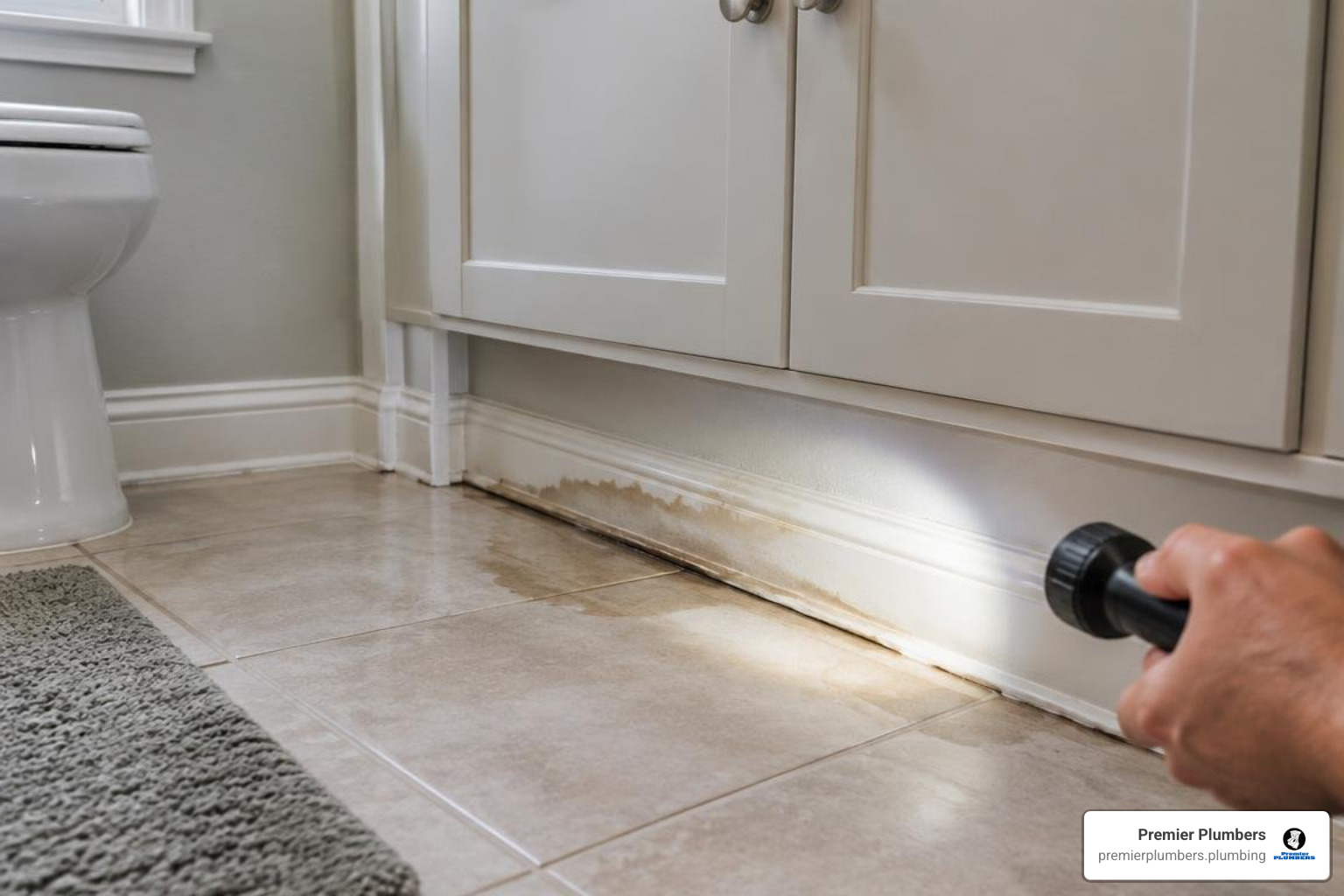
- Musty odors and mildew: Persistent damp smells behind walls, under cabinets, or near baseboards where moisture collects.
- Visible wall and ceiling discoloration: Soft drywall, peeling paint, warped baseboards, or dark staining.
- Drop in fixture water pressure: Noticeable pressure loss across showers or faucets caused by water escaping upstream.
- Sounds of running water: Hissing, dripping, or rushing sounds inside walls or under floors when no taps are running.
Unexplained Water Bill Spikes and High Consumption
A sudden increase in municipal utility charges is often the first financial warning of a plumbing problem. Running toilets, dripping fixtures, and hidden pinhole pipe leaks can waste a significant amount of water over time.
If your water meter registers steady movement over a 15- to 20-minute window while all taps remain closed, water is actively escaping somewhere in the line.
Damp Drywall, Warm Slab Spots, and Foundation Cracks
Underground plumbing lines run directly beneath or within concrete slab foundations. When pressurized copper or PVC lines corrode or shift, a leak can saturate the sub-base, weaken surrounding materials, and push moisture upward into flooring.
Homeowners should monitor their property for floor discoloration, swollen baseboards, and cracked tiles. For a local example of the warning signs and urgent decisions involved, this guide to a Sarasota water line repair crisis explains why prompt action can help limit further damage.

Practical DIY Methods to Confirm Hidden Leaks
Before scheduling advanced diagnostic services, you can perform several simple, non-invasive isolation tests using household items and your main water meter.
Step-by-Step DIY Leak Detection: Water Meter and Dye Tests
To confirm whether a leak exists inside your home or along the main service line, follow this straightforward testing procedure:
- Isolate all fixtures: Turn off all indoor faucets, outdoor hose bibs, ice makers, and automatic irrigation zones. Ensure no washing machines or dishwashers are running.
- Inspect the water meter: Open your meter box lid and locate the low-flow indicator dial, often a small triangle, star, or digital sweep hand.
- Conduct a 20-minute observation: Record the exact meter reading. Leave all water fixtures off for 15 to 20 minutes, then check the meter again. Any change in digits or dial position confirms active water loss.
- Isolate the main private shut-off valve: Turn off the private master water valve where the line enters the house. Recheck the municipal meter. If the meter stops moving, the leak is located inside the home plumbing network. If the meter continues to register flow, the underground supply line between the meter and the house may be compromised.
- Perform the toilet dye test: Remove the tank lid on every toilet and add four to five drops of dark food coloring to the water. Wait 15 minutes without flushing. If colored water seeps into the toilet bowl, the flapper valve or flush seal has failed and needs replacement.
Inspecting Fixtures, Supply Lines, and HVAC Condensate Drains
Thorough visual inspections around high-risk appliances help catch slow drips before they cause structural rot. Examine the flexible supply lines beneath sinks, dishwashers, and washing machines. Replace aged plastic tubing with braided stainless-steel lines to reduce the risk of sudden ruptures.
If you find a damaged fitting, recurring drip, or unexplained moisture near a fixture, timely plumbing repairs can address the source before it affects cabinets, flooring, or nearby walls.
In humid regions, AC systems produce substantial condensation each day. Inspect your primary and secondary HVAC drain lines for algae buildup or standing water in the drain pan. An operational float switch can shut down the AC unit if the drain line blocks, helping prevent water damage.
Similarly, check all fittings, temperature and pressure relief valves, and drain connections as part of routine water heater maintenance.
Advanced Non-Invasive Leak Detection Methods Used by Professionals
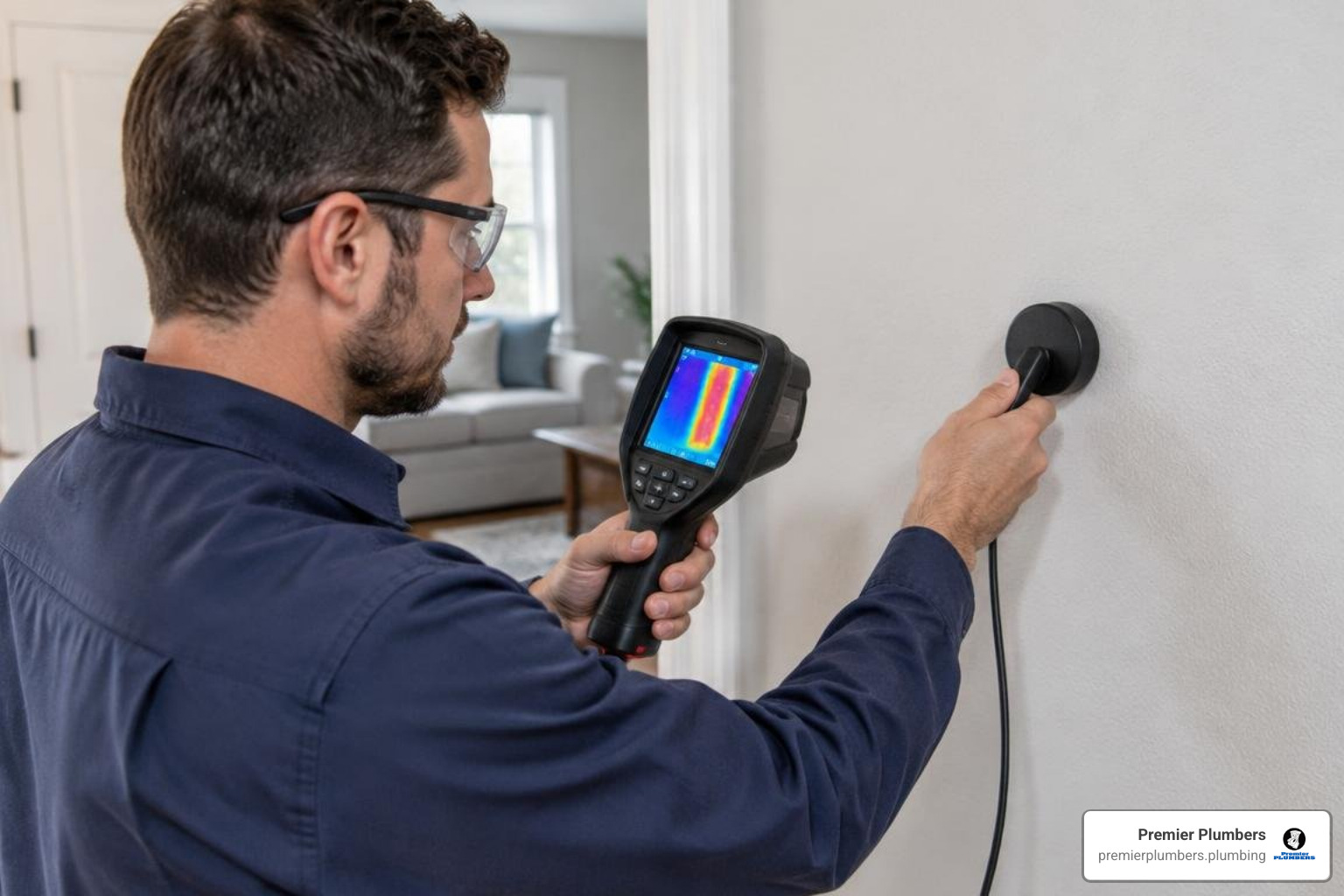
When simple DIY checks indicate a leak that remains invisible to the naked eye, modern diagnostic equipment can help pinpoint the likely failure point without broad exploratory demolition.
| Diagnostic Method | Primary Technology Used | Best Suited For | Property Impact |
|---|---|---|---|
| Acoustic sensor mapping | Multi-frequency acoustic amplifiers and ground microphones | Pressurized supply lines, slab leaks, underground mains | Non-destructive surface listening |
| Thermal infrared imaging | High-sensitivity thermal cameras | Hot-water leaks, wall cavities, subfloor moisture | Surface temperature scanning |
| Tracer gas testing | Non-toxic hydrogen and nitrogen gas mixtures with sensitive probes | Deep underground lines, low-pressure pipes, micro-leaks | Gas introduced through access valves |
| Video pipe inspection | High-definition self-leveling fiber-optic cameras | Drain lines, sewer mains, root intrusion, collapsed pipes | Internal inspection through cleanout access points |
| Exploratory access | Controlled drywall, tile, or concrete removal when necessary | Direct repair access after diagnosis | More disruptive than non-invasive methods |
Acoustic Sensors, Thermal Imaging, and Tracer Gas Sniffers
Professional plumbers use multi-frequency acoustic amplifiers to listen for the sound profiles created by pressurized water escaping through small pipe openings. Specialized listening disks and ground probes can help isolate leak-related sounds from normal household noise.
For residential plumbing systems, technicians may combine thermal imaging with acoustic tools to identify temperature irregularities behind drywall, ceilings, and tiled surfaces before choosing a targeted access point.
When lines are buried deep beneath soil or heavy slabs, technicians may also introduce a non-toxic tracer gas mixture into an isolated line and use sensitive equipment at the surface to trace where it escapes.
Video Pipe Inspection and Moisture Mapping
Drain and sewer systems operate by gravity rather than constant line pressure, so they require different diagnostic methods. High-definition video inspections can reveal internal pipe corrosion, offset joints, grease accumulation, and tree root intrusion through existing cleanout access points.
Combined with moisture meters, these tools help the Premier Plumbers team map hidden moisture paths and determine whether a pipe needs a targeted repair or replacement.
Preventing Catastrophic Water Damage and Insurance Losses
A major leak that goes unnoticed while residents are away can damage subfloors, finishes, and structural framing. The longer moisture remains trapped inside walls, ceilings, or flooring, the more extensive the drying and restoration process can become.
In older homes with aging copper or galvanized lines, upgrading fragile components can reduce the risk of recurring pinhole leaks and unexpected water damage.
Smart Leak Detection Systems and Automatic Shut-Off Valves
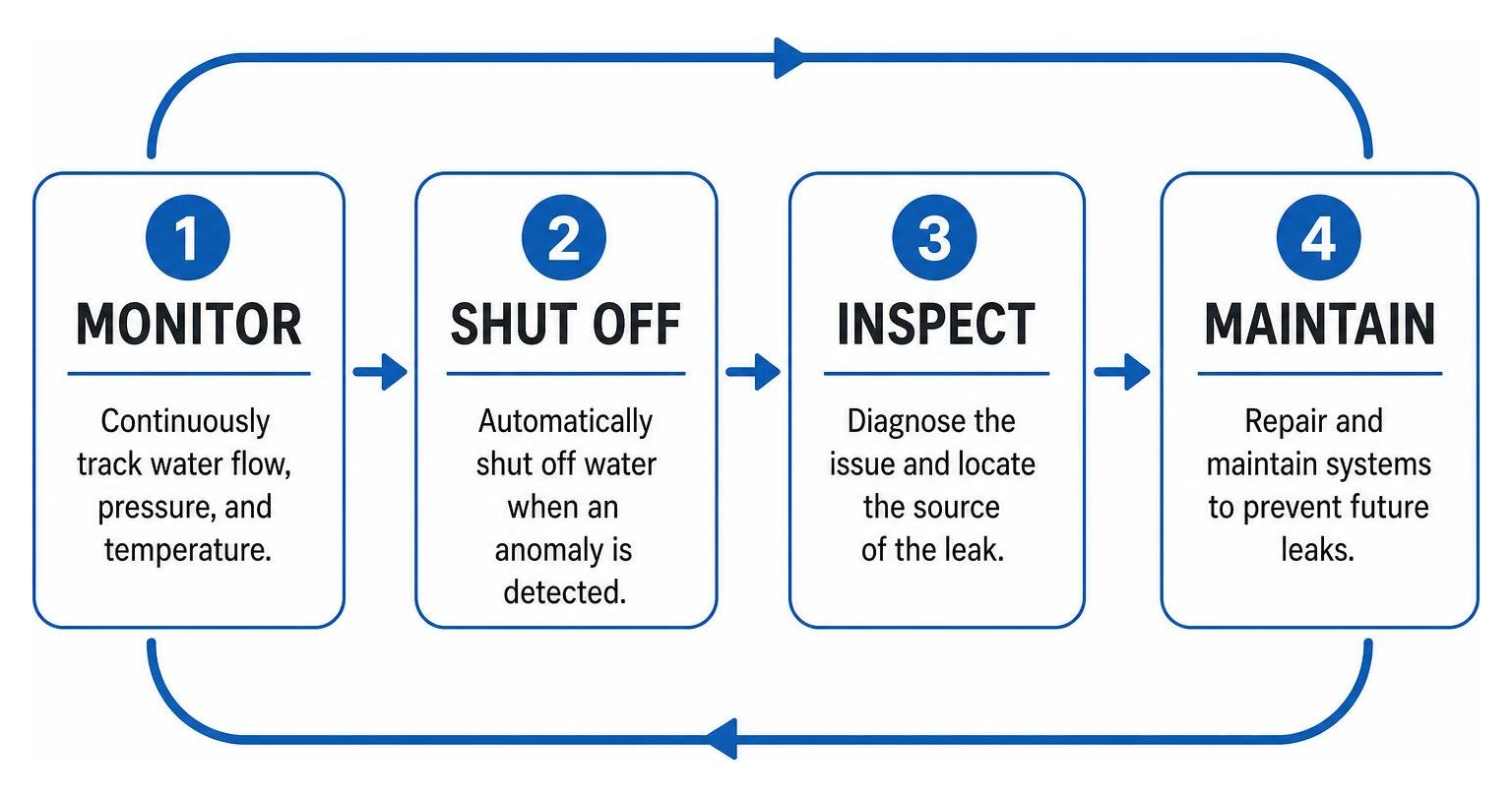
Smart water management devices provide continuous monitoring of household flow rates, line pressure, and ambient temperatures. These systems can connect to a main water line and send alerts when they detect unusual water use.
If an unusual flow pattern continues while you are away, an automatic shut-off valve may help limit damage by closing the water supply. For practical guidance on what to do when a plumbing problem becomes urgent, see this article on emergency plumbing in Tampa and St. Petersburg.
Upgrading Fragile Plumbing Components and Long-Term Maintenance
Routine plumbing inspections can prevent minor component fatigue from turning into an emergency. Follow these maintenance recommendations:
- Replace toilet supply lines: Swap out plastic supply lines for braided stainless-steel hoses when they show wear or reach the end of their recommended service life.
- Inspect washing machine lines: High-pressure rubber hoses degrade over time, so replace worn hoses with burst-resistant braided lines.
- Install HVAC float switches: Ensure every AC condensate drain pan has an operational float switch to cut unit power when clogs occur.
- Check system pressure: Have a qualified plumber evaluate unusually high water pressure and recommend appropriate pressure-control solutions.
For an uncontained leak, shut off the main water valve if it is safe to do so and contact Premier Plumbers for emergency plumbing support.
Frequently Asked Questions About Leak Detection in Sarasota
How Much Does Professional Leak Detection Typically Cost?
The cost of non-invasive diagnostic services varies based on the size of the home, the location of the plumbing lines, and the specialized equipment required (such as acoustic sensors, tracer gas sniffers, or thermal imaging). Investing in professional diagnostics is significantly more affordable than exploratory demolition, which involves cutting open drywall or jackhammering flooring only to guess where a leak originates. Most diagnostic assessments are provided at clear, upfront rates before any repair work begins.
How Quickly Can a Hidden Pipe Leak Be Repaired Once Located?
Once the precise location of the leak is identified with non-invasive equipment, most standard pipe repairs can be completed the very same day. Technicians create a small, targeted access opening directly over the damaged section to install a replacement pipe segment, compression repair, or pipe bypass, minimizing household disruption.
Will Installing a Water Leak Monitoring System Lower Homeowners Insurance?
Yes, many major property insurance providers offer policy premium discounts (often up to 5%) for homeowners who install whole-home automatic shut-off valves and smart leak monitors. Insurance carriers value these devices because they eliminate catastrophic water claims caused by undetected leaks while residents are away from the property.
Conclusion
Undetected water leaks threaten the structural integrity of your property, waste water, and lead to stressful disruptions. Catching early warning signs, such as warm floor spots, spinning water meters, or sudden billing spikes, allows you to address plumbing issues before extensive mold growth or slab damage occurs.
At Premier Plumbers, our family-owned team brings a proud three-generation legacy of plumbing expertise and advanced non-invasive diagnostic technology to homeowners across Southwest Florida. If you suspect an unlocated leak or want to protect your home with modern monitoring, contact our professional leak detection technicians today to schedule a comprehensive property inspection.