Essential DIY Gas Heater Maintenance for Homeowners
When cooler weather rolls into Florida, having a reliable space heater or gas heating unit brings cozy comfort to your living space. Taking care of your gas equipment does not mean you need to disassemble complex mechanical valves or manipulate gas lines yourself. In fact, standard homeowner care centers around clean surroundings, proper airflow, and visual observation.
Taking a proactive approach to gas heater maintenance helps ensure your equipment runs smoothly when you need it most. Routine homeowner upkeep preserves system efficiency, prevents annoying ignition delays, and keeps your indoor air clean. For a broader look at home heating and plumbing care, check out our helpful water heater maintenance guide to learn how preventative care protects your plumbing equipment year round.
Safe DIY Gas Heater Maintenance Tasks You Can Do Yourself
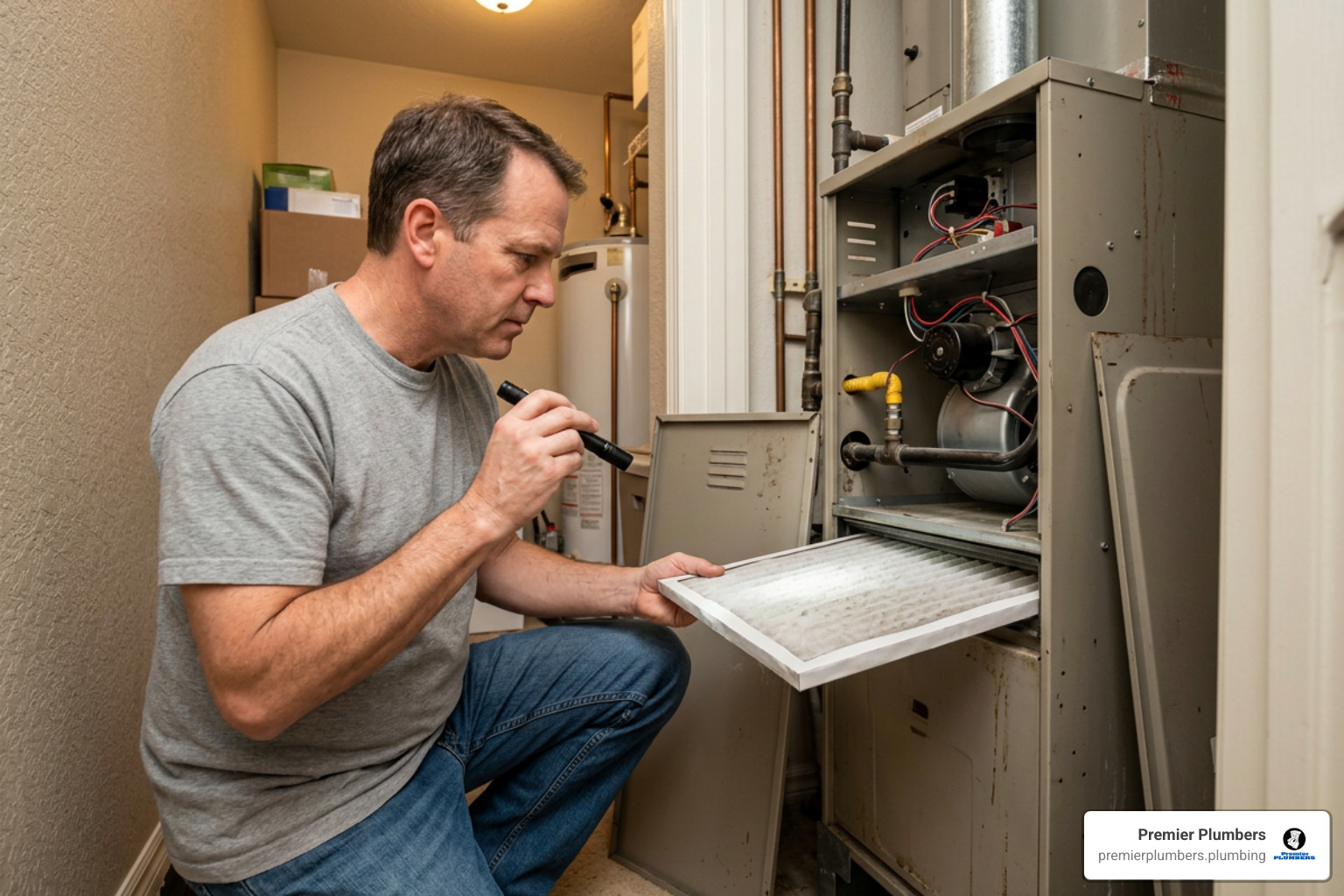
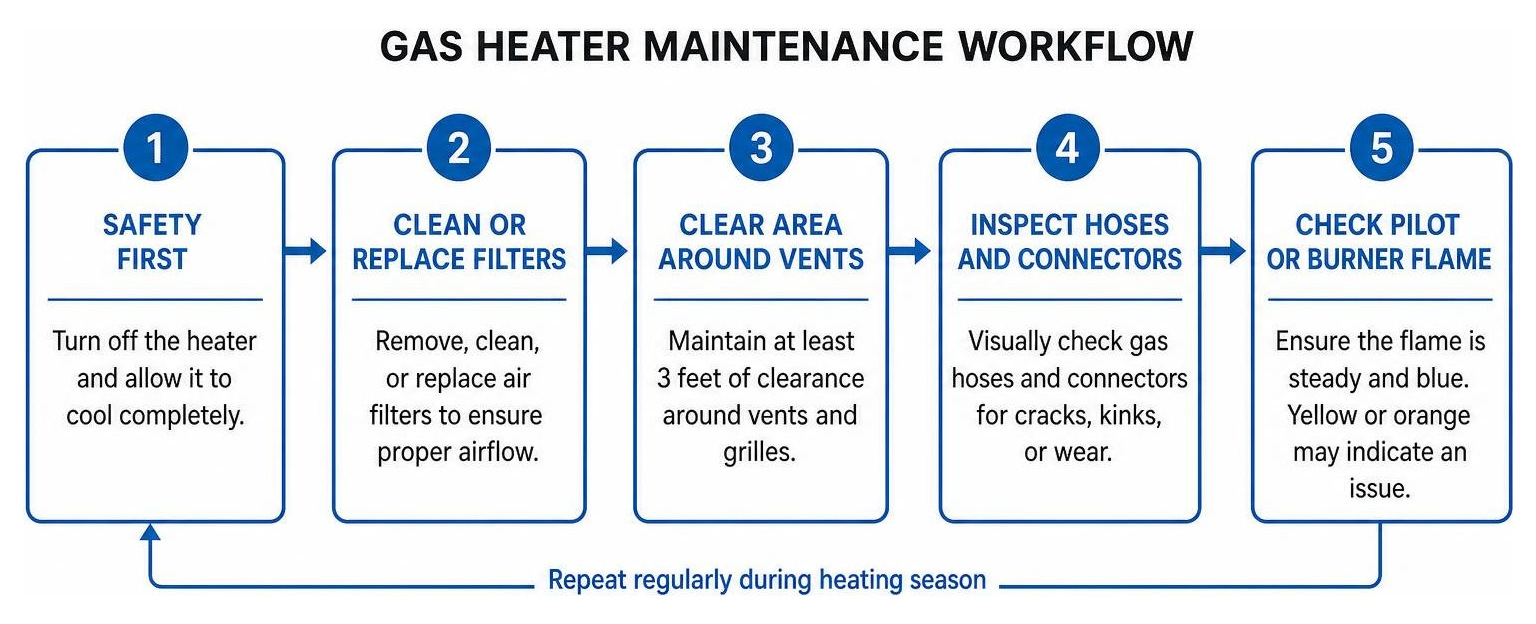
Homeowners can safely handle several straightforward, non-technical maintenance chores. Before performing any checks, ensure your heater is completely turned off and cool to the touch.
- Clean or Replace Air Filters: Clogged filters restrict airflow, forcing your heater to strain and work significantly harder. This restricted airflow can cause internal temperatures to rise, occasionally triggering automatic safety shutoffs. Vacuum or replace removable dust filters every month during periods of heavy use.
- Clear the Area Around Vents and Grilles: Keep at least three feet of clearance around space heaters and wall units. Remove nearby dust, drapes, furniture, rug edges, or pet bedding. Restricted vents prevent proper heat distribution and can create serious fire hazards.
- Perform Visual Hose and Connector Inspections: Check visible gas pigtails and flexible supply lines for cracking, kinking, or signs of wear. Flexible gas connectors should never be pinched behind heavy furniture. Safety standards recommend replacing flexible gas pigtails every five years regardless of their outward appearance.
- Inspect the Pilot Light or Burner Flame: If your heater features a visible sight glass or pilot burner, check the color of the flame during operation. A properly burning natural gas or propane flame burns with a steady, vibrant blue core.
Knowing Your Limits: Gas Leak Safety and Emergency Response
Safety must always come first when dealing with gas appliances. While light surface dust removal and filter cleaning are completely safe DIY tasks, touching internal gas lines, combustion chambers, or heat exchangers is extremely dangerous and legally restricted to licensed professionals.
Unburnt natural gas and liquid petroleum (LP) propane contain chemical additives called mercaptans, which smell distinctively like sulfur or rotten eggs. LP gas is heavier than air and tends to pool near floor levels, whereas natural gas rises. If you detect a strong or persistent gas smell, act immediately:
- Evacuate Everyone Immediately: Leave the property right away with your family and pets. Leave doors open as you exit to help ventilate the area.
- Do Not Touch Electrical Switches: Do not turn light switches on or off, unplug appliances, use landline phones, or light matches inside the building. Any small spark can ignite accumulated gas vapors.
- Shut Off the Main Gas Supply If Safe: If your external gas meter or shutoff valve is accessible and safe to reach, turn the valve off.
- Call Emergency Services From a Safe Distance: Once you are safely away from the property, call your local gas supplier or emergency services.
If you suspect a plumbing or gas-related emergency, our team at Premier Plumbers is always ready to assist with expert response. Learn more about our rapid response protocols through our dedicated emergency plumbing services page.
What to Expect During a Professional Inspection
While DIY checks help maintain general cleanliness, they cannot replace a comprehensive annual inspection by a certified professional. Internal combustion checks, gas pressure adjustments, and safety system testing require specialized tools and diagnostic instruments.
When our certified team at Premier Plumbers conducts a professional service call, we thoroughly inspect every critical mechanical and safety component inside your unit. A standard, high-quality gas heater service typically takes between 45 and 90 minutes to execute properly.
Comprehensive Checks Included in Professional Gas Heater Maintenance
A complete professional tune-up covers far more than wiping down dust. Technicians utilize manometers, multimeters, and specialized flue gas analyzers to evaluate internal operation. Key steps include:
- Heat Exchanger Integrity Testing: The heat exchanger isolates burning exhaust gases from the air circulating through your living space. Over time, metal expansion and contraction can cause subtle structural stress or hairline cracks. A cracked heat exchanger can allow toxic carbon monoxide to leak into your home unnoticed.
- Combustion Gas and Flue Analysis: Technicians measure flue exhaust to ensure complete fuel combustion, verifying that dangerous carbon monoxide levels are not accumulating.
- Gas Pressure and Manometer Verification: Gas manifold pressure must meet precise manufacturer specifications, typically 3.5 inches water column (WC) for natural gas or 11 inches WC for LP propane. Incorrect gas pressure leads to incomplete combustion or component strain.
- Thermocouple and Safety Control Testing: Thermocouples generate a small direct current (usually between 20 and 30 millivolts) to keep the gas valve open when a steady flame is present. If the pilot light extinguishes, a functional thermocouple cuts off gas supply within 180 seconds to prevent raw gas accumulation.
- Burner Tray and Ignition Cleaning: Technicians clean burner ports, clear oxidation, and vacuum debris or insect webs from burner chambers.
For technical guidelines and safety parameters regarding residential gas equipment, consult the comprehensive residential gas heater manual.
Service Schedules, Regulations, and System Lifespan
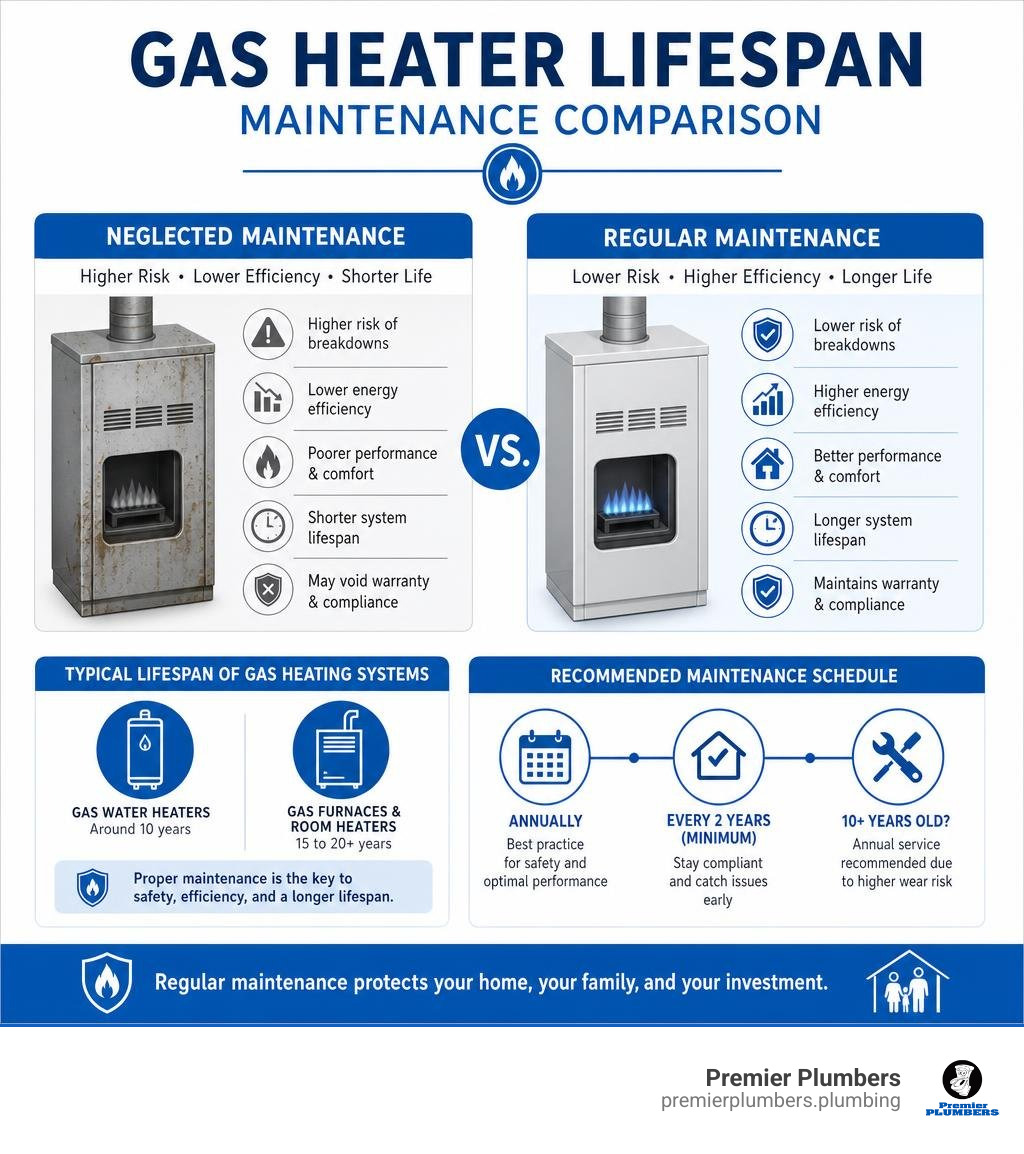
How often should gas heating equipment undergo professional servicing? Safety standards and equipment manufacturers strongly recommend scheduling a comprehensive gas heater service annually, ideally in autumn before regular winter use.
At a minimum, gas heaters should be professionally checked every two years. Units that are ten years old or older warrant annual attention due to natural metal fatigue and higher risks of component wear.
Maintaining accurate service logs is also vital for compliance and warranty protection:
- Manufacturer Warranty Validation: Most equipment warranties mandate regular professional maintenance. Neglecting annual tune-ups can void manufacturer replacement coverages.
- Property Compliance and Rental Regulations: Landlords and property managers are often legally required to perform routine gas safety checks on all heating installations every two years, keeping written compliance certificates on file.
- Maximizing Lifespan: Gas heating systems typically last between 10 and 25 years. Tank-style gas water heaters average around 10 years of service, whereas well-maintained gas furnaces and room heaters can last 15 to 20 years or longer.
Key Warning Signs Your Heating System Needs Servicing
Your heating equipment usually communicates when something is wrong long before a total breakdown occurs. Paying attention to subtle visual, auditory, or olfactory warning signs allows you to address minor faults before they transform into costly repairs or health hazards.
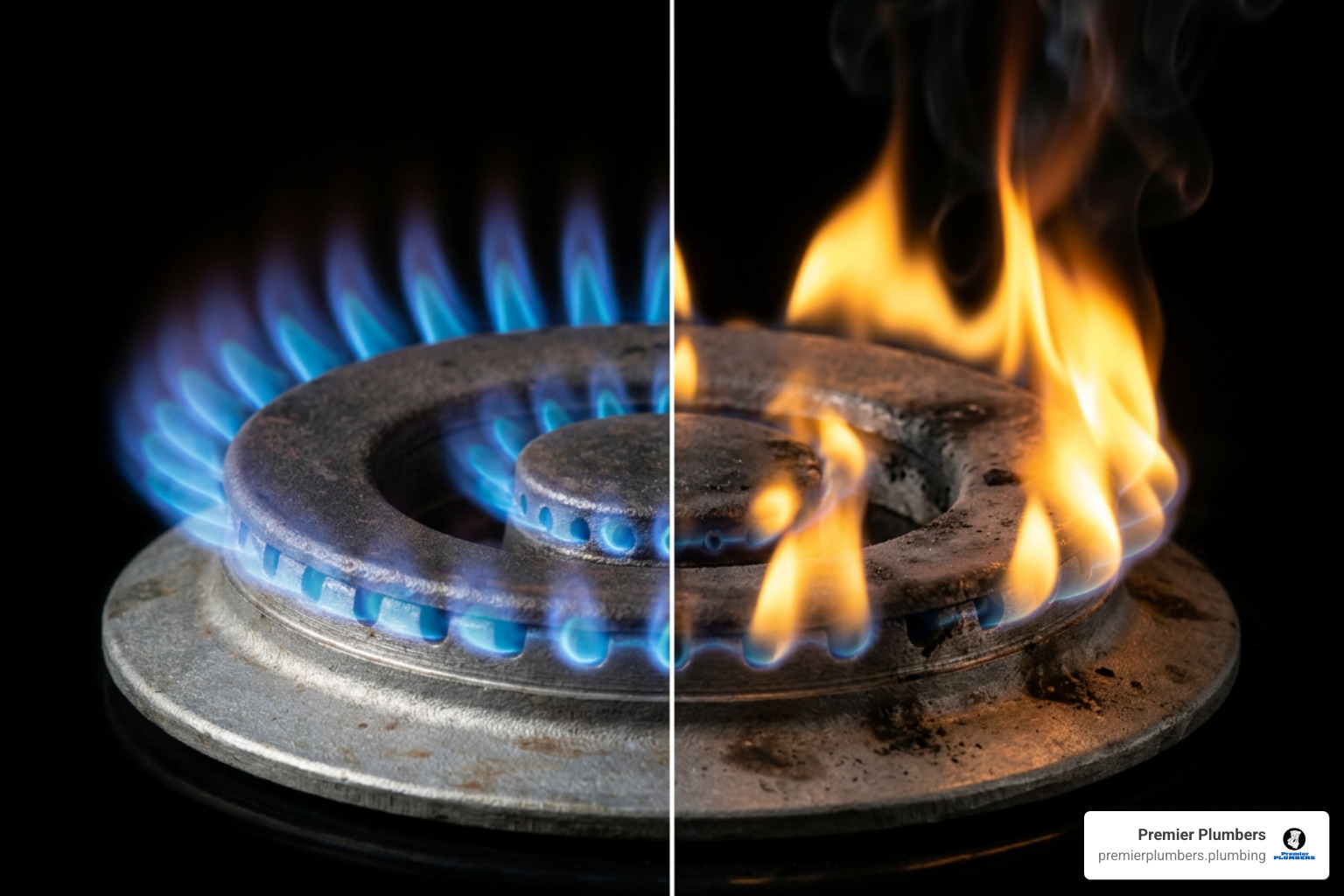
Inspect your heater periodically while it operates, looking for the key warning indicators detailed in the comparison table below:
| Warning Sign | Potential Cause | Recommended Action |
|---|---|---|
| Yellow, Red, or Sooty Flame | Incomplete fuel combustion; improper air-to-gas ratio; dirty burner ports. | Shut off the unit immediately and call a certified technician for a burner overhaul. |
| Soot or Discoloration Around Cabinet | Exhaust gas spillage; cracked heat exchanger; blocked flue pipe. | Turn off the heater; schedule an emergency safety and heat exchanger inspection. |
| Frequent Pilot Light Outages | Faulty thermocouple (low millivolt output); clogged pilot orifice; strong drafts. | Have a professional inspect and clean the thermocouple and pilot assembly. |
| Popping, Banging, or Clicking Noises | Delayed ignition; dirty burners; thermal expansion stress in ductwork. | Schedule a routine service call to clean ignition ports and recalibrate burners. |
| Persistent Chemical or Burning Odor | Dust buildup (temporary on startup); scorching components; gas leak. | Vent the room. If the odor smells like rotten eggs, evacuate and shut off gas main. |
| System Repeatedly Shuts Down | Overheating due to clogged filters; faulty high-limit switch; airflow blockage. | Clean or replace air filters. If shutdowns continue, request a professional diagnostic. |
Frequently Asked Questions
How Often Should You Service a Gas Heating System?
Professional safety regulators and appliance manufacturers recommend having your gas heating system serviced at least once every one to two years by a licensed professional. If your unit is more than ten years old, annual servicing is highly recommended to inspect for internal wear, rust, or heat exchanger degradation. Routine autumn maintenance ensures your heater operates safely and efficiently right when cold weather arrives.
What Are the Signs That a Gas Heater Requires Professional Repairs?
Clear indicators that your gas heater requires immediate professional attention include:
- A flame that burns yellow, orange, or flickers wildly instead of displaying a clear, steady blue color.
- Visible soot deposits, dark staining, or scorching on the heater cabinet or surrounding walls.
- Unusual mechanical sounds, such as loud banging, clicking, or rattling during ignition.
- Persistent acrid, chemical, or sulfur-like odors during operation.
- The system cycling on and off rapidly or turning off automatically shortly after lighting.
When Should You Repair vs. Replace an Aging Heater?
Deciding whether to repair or replace your heating system comes down to age, repair costs, and safety considerations:
- System Age: Tank-style gas water heaters over 10 years old or gas heating units approaching 15 to 20 years of age are nearing the end of their design life.
- The 50% Rule: If the cost of an unexpected repair approaches 50% or more of the price of a brand-new, energy-efficient replacement unit, investing in a new system is generally the wiser financial choice.
- Safety Hazards: If an inspection reveals a cracked heat exchanger or severe structural corrosion, immediate system replacement is necessary to eliminate dangerous carbon monoxide risks.
Conclusion
Taking time for basic gas heater maintenance protects your household budget, enhances energy efficiency, and ensures your home stays warm through every chilly Florida evening. By keeping air filters clean, clearing vents, monitoring flame color, and arranging routine professional inspections, you can enjoy total peace of mind and reliable performance all season long.
At Premier Plumbers, our family-owned business brings a three-generation legacy of expert workmanship to every job. Whether you need routine safety checks, system upgrades, or comprehensive water heater repair, our team is ready to deliver fast, reliable service. If you have questions about your home heating systems or want to schedule your annual check-up, please contact our professional heating technicians today to keep your home comfortable and safe.